Kenya Helicopter Crash Kills Ecuador Intelligence Chief and Six Others
Brivify – A Helicopter Crash Kills Ecuador intelligence chief Michele Sensi-Contugi and six other people during a scenic flight in northern Kenya. The aircraft went down in Samburu County on August 19, 2026, with six passengers and one pilot on board. No one survived. Sensi-Contugi was traveling with his wife, Stephany Hollihan, who also died in the accident. Five U.S. citizens were among the victims, according to American authorities. The helicopter was flying through a region known for wildlife, dramatic mountains, and luxury safari experiences. However, what should have been a memorable journey ended near Mount Ololokwe. The tragedy quickly drew international attention because the passengers came from different countries and included a senior Ecuadorian official. Meanwhile, Kenyan aviation authorities began investigating what caused the aircraft to crash.
Read Also: Toyota Tundra TRD Pro Review: Hybrid Power Meets Serious Off-Road Muscle
A Scenic Journey Ended Near Mount Ololokwe
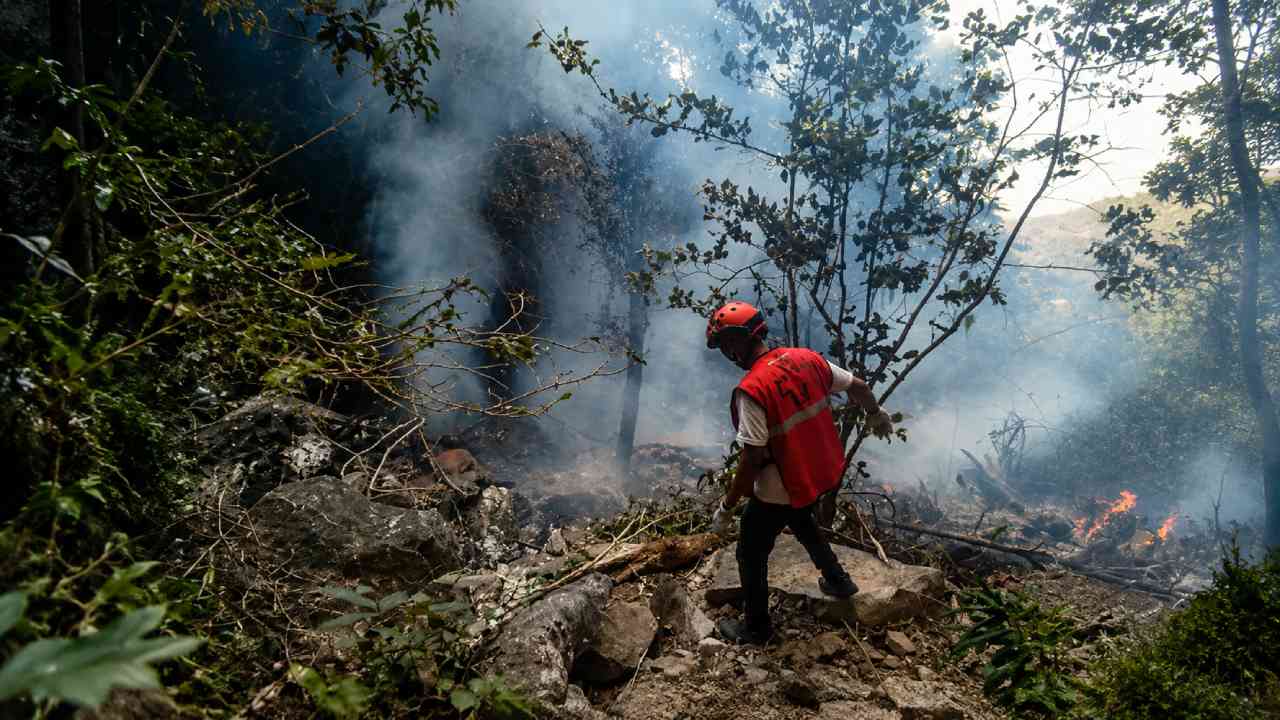
The helicopter was operated by Lady Lori Helicopters and carried guests connected with luxury travel company &Beyond. According to reports, the Eurocopter EC130 B4 was traveling between the Loisaba Conservancy and the Ewaso Nyiro area. The aircraft crashed at around 9:13 a.m. local time. Mount Ololokwe rises dramatically above the surrounding Samburu landscape and attracts visitors seeking views of northern Kenya. Scenic flights offer another perspective on this remote environment. On Wednesday morning, however, the mountain became the backdrop to a major emergency. Smoke and fire around the wreckage could be seen in images from the area. The contrast was striking. A landscape usually associated with exploration suddenly became the center of an international tragedy. Authorities soon confirmed that all seven people aboard had died.
Difficult Terrain Complicated the Response
Emergency teams faced significant challenges after reaching the crash area. The remote terrain around Mount Ololokwe made access difficult, while fire at the site created another obstacle. Kenya Red Cross personnel joined the response as teams worked around the wreckage. These conditions also show why accidents in remote tourism areas can create complicated recovery operations. Roads may be limited, while mountains and rough ground can slow the movement of people and equipment. Darkness later added another challenge for teams working at the location. Still, the recovery effort was only the first stage. Investigators also needed to preserve evidence that could help them understand the final moments of the flight. In aviation investigations, details at the scene can become important later. Therefore, careful access matters even when the environment makes the work unusually difficult.
Ecuador Loses a Senior Intelligence Official
For Ecuador, the accident carried an additional political and institutional impact. Michele Sensi-Contugi served as director of the country’s national intelligence organization and had become a significant figure within President Daniel Noboa’s administration. His death, therefore, reached far beyond the circumstances of an overseas vacation. Sensi-Contugi had entered the intelligence leadership during a period when Ecuador faced serious pressure from organized crime and drug trafficking networks. His role placed him close to sensitive national security decisions. Yet official reactions also focused on the personal loss. Ecuadorian officials expressed condolences to his family after confirming that his wife had died beside him. The couple left behind relatives dealing with a sudden tragedy thousands of kilometers from home. As a result, the crash became both a government concern and an intensely personal loss for those closest to them.
Five U.S. Citizens Were Among the Victims
The accident also affected families and colleagues across the United States. The U.S. State Department confirmed that five American citizens died in the crash. Among the publicly identified victims was José Alberto Suárez, a senior Telemundo executive in Florida. His death prompted messages of grief from colleagues who remembered his leadership and connection with the communities his stations served. The victims also included travelers with professional and family lives far removed from Kenya. That detail gives the story a broader human dimension. International tourism brings people from different backgrounds together for experiences they may have planned for months or years. In this case, seven people shared the same helicopter journey. Their lives then became connected by a single event. U.S. officials have worked with local authorities while providing consular assistance following the accident.
Why the Cause Cannot Yet Be Assumed
Images of a crash can quickly encourage theories about what happened. However, aviation accidents rarely have simple explanations in their earliest hours. Kenyan authorities have not announced a confirmed cause of this crash. Therefore, claims about mechanical failure, weather, pilot decisions, or other factors would remain speculation until investigators present evidence. Aviation specialists typically examine several areas when reconstructing an accident. They can study the wreckage, aircraft records, weather conditions, operational information, maintenance history, and other available evidence. Each detail may help establish a timeline. More importantly, investigators often need time to determine how different factors interacted. This is why responsible reporting should separate verified information from assumptions. At present, the confirmed facts describe where the helicopter was traveling, who was aboard, and the devastating outcome. The explanation for why it went down still requires investigation.
Scenic Flights Depend on Layers of Aviation Safety
Helicopter sightseeing offers travelers access to landscapes that can be difficult to experience from the ground. In Kenya, these flights can connect safari destinations and provide views across remote conservation areas. However, operating aircraft in such environments also requires careful planning. Pilots, operators, maintenance teams, regulators, and weather information all contribute to aviation safety. No single layer works alone. In addition, remote terrain can make emergency response harder when something goes wrong. The Samburu accident illustrates that reality without proving that any specific safety failure caused the crash. Investigators must make that determination. Nevertheless, major accidents often lead operators and regulators to review existing procedures. The goal is not simply to explain a tragedy after it happens. Ideally, investigators identify lessons that can reduce similar risks in the future. For travelers, that process usually remains invisible until an accident brings aviation safety into public view.
Read Also: Manchester United Close In on Carlos Baleba After £65m Transfer Bid
Another Fatal Crash Brings Aviation Safety Into Focus
The Samburu tragedy follows other fatal helicopter accidents in Kenya, which may renew public attention on aviation safety. However, separate crashes should not automatically be treated as evidence of the same problem. Different aircraft can operate under very different conditions, with separate crews, routes, maintenance histories, and circumstances. Investigators need evidence before establishing any wider connection. Even so, repeated fatal accidents naturally raise questions about oversight and operational risk. Kenya relies heavily on tourism, including travel to remote wildlife destinations. Aircraft can play an important role because they reduce long journeys across difficult terrain. That convenience also makes strong aviation standards essential. The latest accident may eventually contribute new information to broader safety discussions. For now, however, authorities first need to establish exactly what happened near Mount Ololokwe before drawing larger conclusions.
The Human Story Goes Beyond the Headlines
The phrase Helicopter Crash Kills Ecuador intelligence chief may capture attention, but it cannot fully describe the loss behind the story. Seven people boarded the aircraft that morning. Each had a family, career, personal plans, and reasons for being in Kenya. Sensi-Contugi carried significant responsibilities within Ecuador’s government. His wife traveled beside him. The other passengers included Americans whose families and colleagues expected them to return from their journey. The Kenyan pilot also lost his life while carrying the group across Samburu. News coverage often focuses on prominent names because readers recognize their public roles. Yet every person aboard leaves a separate absence behind. That perspective matters because aviation tragedies can easily become statistics. Seven fatalities may sound like a number in a headline. For the people who knew the victims, however, the event represents seven individual stories that ended without warning.
The Investigation Will Determine What Comes Next
Attention will now shift toward Kenya’s aviation investigation. Authorities need to determine what happened before the helicopter went down and whether any findings require changes to procedures or safety practices. That process may take time. Until investigators release stronger evidence, speculation adds little value. What is already clear is the scale of the loss. A scenic flight through one of Kenya’s remarkable landscapes ended with seven deaths and grief stretching across Kenya, Ecuador, and the United States. The accident also demonstrates why aviation investigations matter beyond identifying a single cause. Their findings can help operators understand risks and strengthen future safety decisions. Meanwhile, families will face a very different journey. Technical reports may eventually explain how the accident happened, but they cannot replace the people who died. For now, the most responsible approach is to follow verified updates while allowing investigators to establish the facts.


Post Comment