After 27 Years, Russia’s Massive Nuclear Warship Is Ready for Combat Again
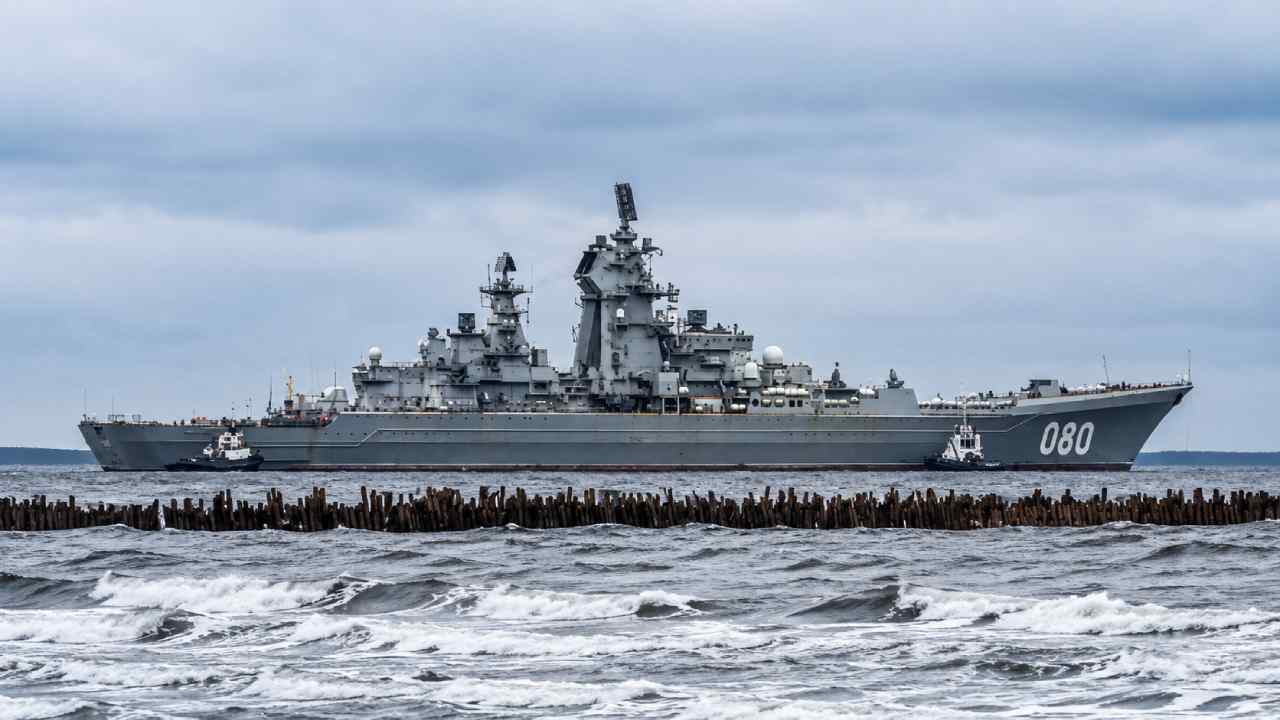
Brivify – Russia’s Massive Nuclear warship, Admiral Nakhimov, is approaching one of the biggest comebacks in modern naval history. After spending nearly three decades away from operational service, the giant missile cruiser is entering the final stage before rejoining the Russian Navy. Its return represents far more than a routine fleet upgrade. Instead, it reflects Russia’s long-term investment in rebuilding one of the world’s most powerful surface combatants. During the modernization program, engineers replaced outdated systems with advanced electronics, modern radar, and next-generation missile technology. Consequently, Admiral Nakhimov is expected to deliver significantly greater combat capability than it did before entering dry dock. Military analysts now view the vessel as a strategic asset that could strengthen Russia’s long-range naval presence for years to come.
Read Also: Liberty Walk Brings Its Signature Style to Andretti’s Formula E Race Cars
Admiral Nakhimov Spent Nearly Three Decades Undergoing Modernization
Admiral Nakhimov entered the Sevmash shipyard in 1999 for extensive repairs. However, the project soon expanded into a complete modernization program rather than a standard overhaul. Engineers upgraded almost every critical system on board. They installed new combat management software, advanced sensors, modern communications equipment, and upgraded propulsion components. As work progressed, the project became one of the most ambitious naval modernization efforts ever attempted. Although the schedule extended far longer than originally expected, the result is a vessel that closely matches modern naval warfare requirements. Today, Admiral Nakhimov stands as a remarkable example of how an aging warship can receive new capabilities through advanced engineering instead of complete replacement.
Final Sea Trials Mark the Last Step Before Active Service
The modernization program has now entered its most important phase. Admiral Nakhimov is undergoing comprehensive sea trials designed to evaluate every major onboard system. Engineers continue testing propulsion, navigation, radar, communications, missile integration, and defensive systems under realistic operating conditions. Each trial allows technicians to identify minor adjustments before the ship officially returns to military service. Russian naval officials remain optimistic about the progress. Although they have not announced a specific commissioning date, they continue expressing confidence that the vessel will complete testing according to schedule. Successful sea trials will confirm that years of reconstruction have produced a fully operational frontline combat ship.
The World’s Heaviest Surface Combatant Still Commands Attention
Admiral Nakhimov remains the world’s heaviest operational surface combatant. The massive cruiser displaces approximately 28,000 tons, placing it in a class of its own among modern surface warships. By comparison, many advanced destroyers operated by NATO displace roughly 10,000 tons. Size alone does not determine combat effectiveness, yet the vessel’s large hull provides space for additional weapons, powerful radar systems, and extensive command facilities. Furthermore, its impressive dimensions support longer deployments while carrying significant ammunition reserves. As naval warfare evolves, ships capable of performing multiple strategic missions continue attracting military interest across the globe.
Nuclear Propulsion Gives the Cruiser Exceptional Endurance
One of Admiral Nakhimov’s defining advantages is its nuclear propulsion system. The cruiser operates using two KN-3 pressurized nuclear reactors that generate steam to power massive turbines. Together, these systems produce approximately 140,000 horsepower, allowing the ship to reach speeds of around 32 knots. More importantly, nuclear propulsion dramatically extends operational endurance because the vessel requires far fewer refueling stops than conventionally powered warships. This capability enables longer deployments across distant oceans while maintaining consistent performance. Consequently, Admiral Nakhimov can support extended strategic missions that demand both speed and sustained operational readiness.
Advanced Missile Systems Expand Its Combat Capabilities
The upgraded cruiser now carries an impressive collection of modern missile systems. It can deploy Kalibr, Oniks, and Zircon missiles depending on operational requirements. These weapons allow the ship to engage both maritime and land-based targets over considerable distances. Instead of focusing exclusively on anti-ship warfare, the vessel now supports broader strategic missions involving precision strikes against critical infrastructure and military facilities. This flexibility significantly increases its battlefield value. Defense analysts frequently describe Admiral Nakhimov as a floating missile arsenal because it combines large missile capacity with advanced targeting technologies capable of supporting modern network-centric warfare.
Read Also: Arsenal Explore Shock Move for Vinícius Jr. as Summer Transfer Window Heats Up
Powerful Air Defense Strengthens Battlefield Survivability
Offensive capability represents only one part of the modernization effort. Engineers also strengthened the ship’s defensive systems through extensive upgrades. Admiral Nakhimov now integrates 96 vertical launch cells supporting long-range surface-to-air missiles associated with advanced Russian air defense technology. Modern radar systems continuously monitor surrounding airspace while coordinating defensive responses against multiple airborne threats. This layered protection improves the vessel’s ability to defend itself and nearby naval assets during complex operations. Strong air defense also increases operational flexibility because commanders can confidently deploy the cruiser in high-risk environments where advanced missile threats remain a constant concern.
Russia’s Naval Strategy Continues to Evolve
The return of Admiral Nakhimov reflects broader changes within Russia’s naval strategy. Modern naval doctrine increasingly emphasizes long-range precision strikes, integrated missile networks, and strategic deterrence instead of traditional fleet engagements alone. Large surface combatants now function as mobile launch platforms capable of influencing events far beyond coastal waters. Therefore, Russia continues investing in advanced naval systems that support these evolving priorities. Admiral Nakhimov perfectly illustrates this shift because its upgraded weapons and sensors align with current military objectives. Although naval competition continues changing rapidly, ships capable of combining endurance, firepower, and advanced technology remain highly valuable strategic assets.
Admiral Nakhimov Symbolizes the Next Chapter of Russian Naval Power
After nearly 27 years away from active service, Admiral Nakhimov is preparing to begin a completely new operational chapter. The extensive modernization has transformed the cruiser into a far more capable platform than it was during its original deployment. New missile systems, advanced electronics, upgraded sensors, and improved defensive technologies significantly enhance its overall combat effectiveness. While the final commissioning date depends on successful completion of sea trials, expectations remain high among defense observers worldwide. Regardless of future geopolitical developments, Admiral Nakhimov demonstrates how comprehensive modernization can extend the life of a major warship while adapting it to the demands of twenty-first-century naval operations.