Timor Leste Protest, Citizens Oppose Government Plan to Buy New Cars for Parliament
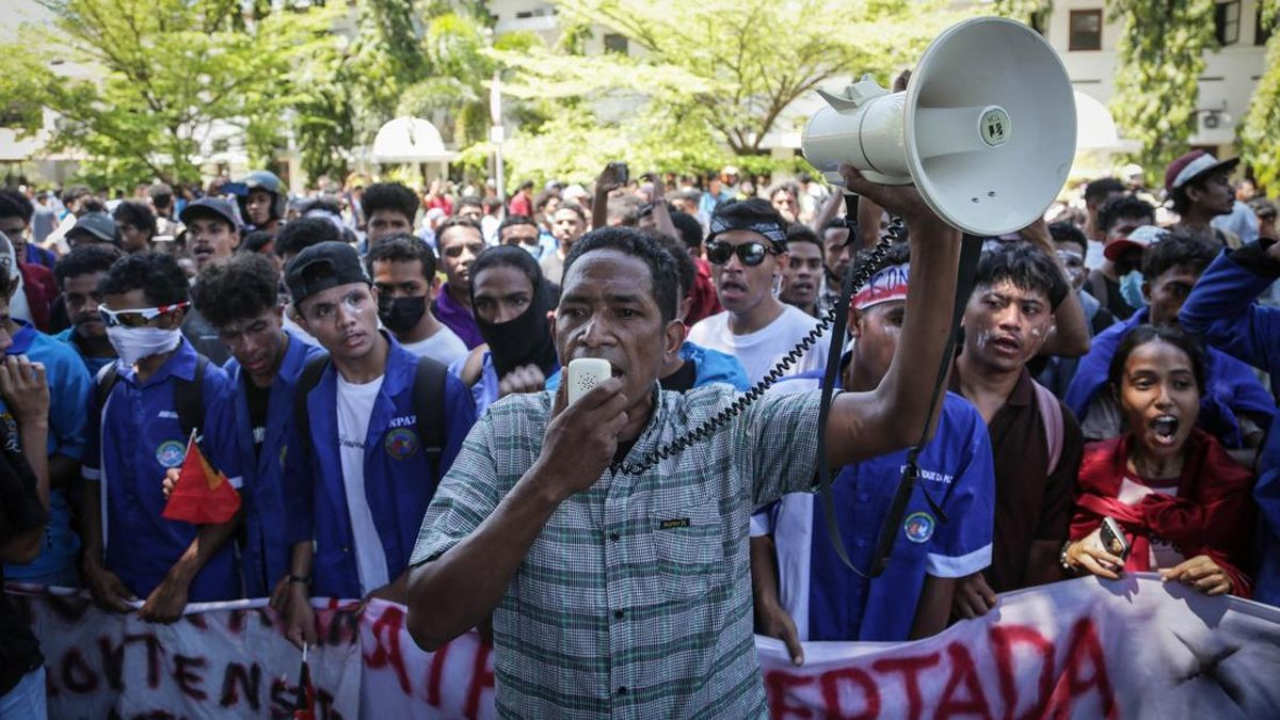
Brivify – On Monday, September 15, more than 1,000 citizens of Timor Leste filled the streets of Dili, voicing anger over the government’s plan to purchase new official cars for parliament members. The demonstration, led largely by university students, unfolded near the National Parliament building. Their demand was simple yet powerful: cancel the plan to buy 65 brand-new Toyota Prado vehicles for lawmakers.
“Also read: US Secretary of State Meets Netanyahu, Prays at Western Wall“
The Roots of Discontent
The protest is not just about cars it reflects deeper frustrations in a nation still grappling with poverty. According to the World Bank, a significant portion of Timor Leste’s population lives below the poverty line. Against this backdrop, the decision to spend millions on luxury vehicles for politicians was seen as tone-deaf. To many citizens, this move symbolized a government disconnected from the daily struggles of its people.
Student Voices Lead the Movement
Students from major universities played a central role in organizing and amplifying the protest. One student, Leonito Carvalho from Universidade da Paz, boldly declared that demonstrators would not leave until the decision was overturned. Their chants and placards represented not only their personal frustration but also the broader voice of a generation demanding accountability and transparency in governance.
From Peaceful to Chaotic
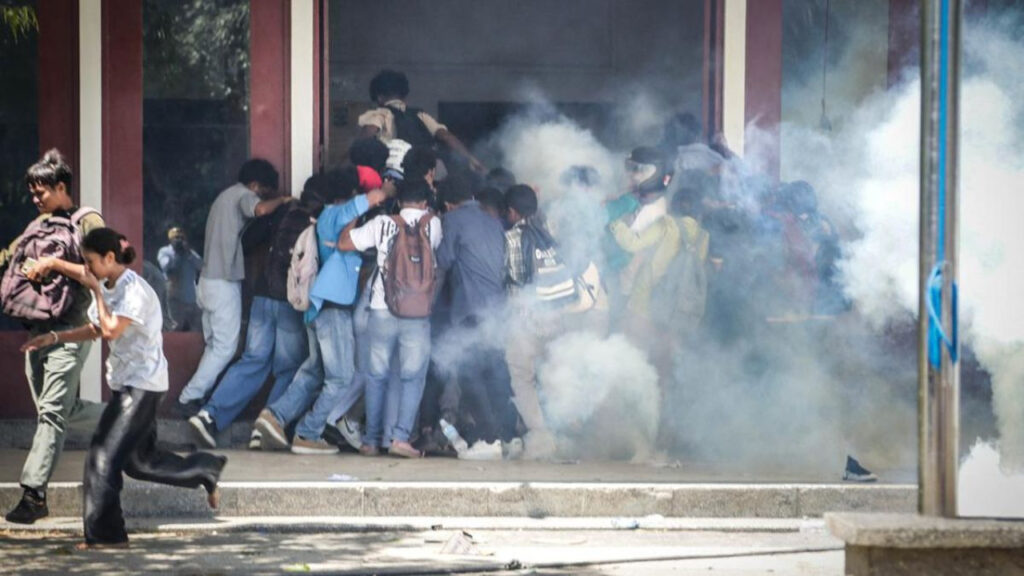
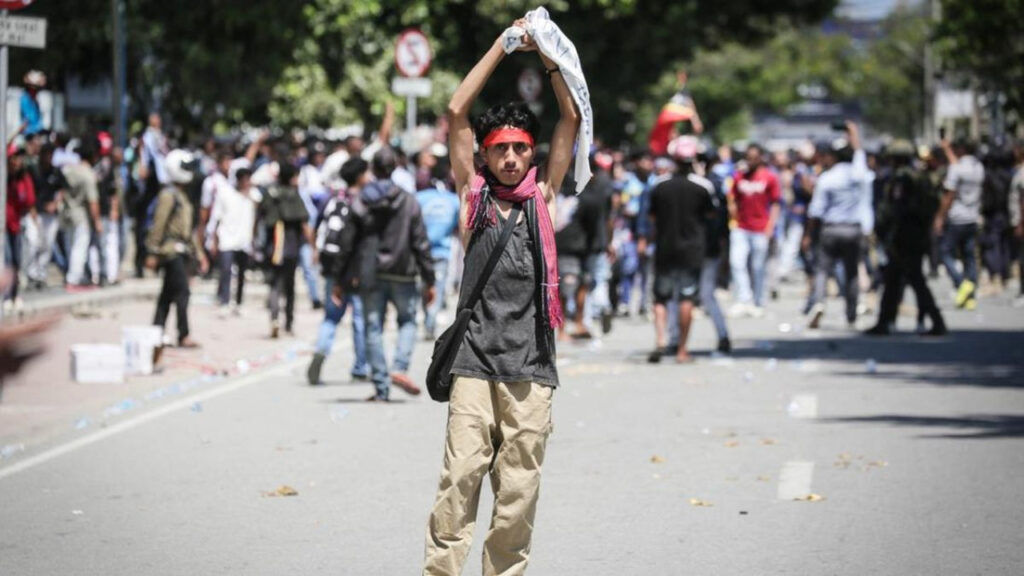
Initially peaceful, the demonstration took a violent turn when some protesters threw stones toward the parliament building. In response, police fired tear gas into the crowd. Chaos erupted as demonstrators scrambled for safety, leaving four people injured and rushed to nearby healthcare facilities. What began as a peaceful expression of democratic rights turned into a clash, highlighting the fragile balance between protest and state authority.
Police and Political Reactions
Timor Leste’s national police, led by Justino Menezes, promised to hold protest organizers accountable for the damages. Meanwhile, political parties that had previously approved the 2025 budget including funds for the cars are now reconsidering their positions. The Congress for National Reconstruction of Timor, the Democratic Party, and the National Unity Party all issued a joint statement urging parliament to cancel the purchase, acknowledging it no longer reflected public interest.
“Read more: Cycling While Using a Phone in Japan Could Cost You a Fine of Rp1.2 Million“
Public Opinion and the Question of Priorities
The protest sparked wider debate about government priorities. For citizens struggling with unemployment, healthcare gaps, and inadequate infrastructure, the purchase of new vehicles felt like a betrayal. It raised the critical question: should taxpayer money fund luxury perks for lawmakers while ordinary families struggle to put food on the table? This conflict between governance and grassroots needs has become a defining issue in Timor Leste’s political climate.
The Symbolism of the Toyota Prado
The choice of Toyota Prado SUVs carried its own symbolism. While practical for rugged terrain, these vehicles are widely perceived as luxury items in Timor Leste. For citizens, the Prado became more than just a car—it became a symbol of privilege and inequality. The government’s insistence on the purchase, despite economic struggles, only intensified public resentment.
A Test for Democracy
The outcome of this protest could shape Timor Leste’s democratic trajectory. If parliament cancels the plan, it may rebuild public trust and demonstrate responsiveness to the people’s voice. If not, the protests may escalate, deepening the rift between government and citizens. Either way, the incident has already revealed how strongly Timorese citizens value accountability and fairness in governance.