TikTok Deal in Motion, Trump and Xi Signal Breakthrough in Long-Running Dispute
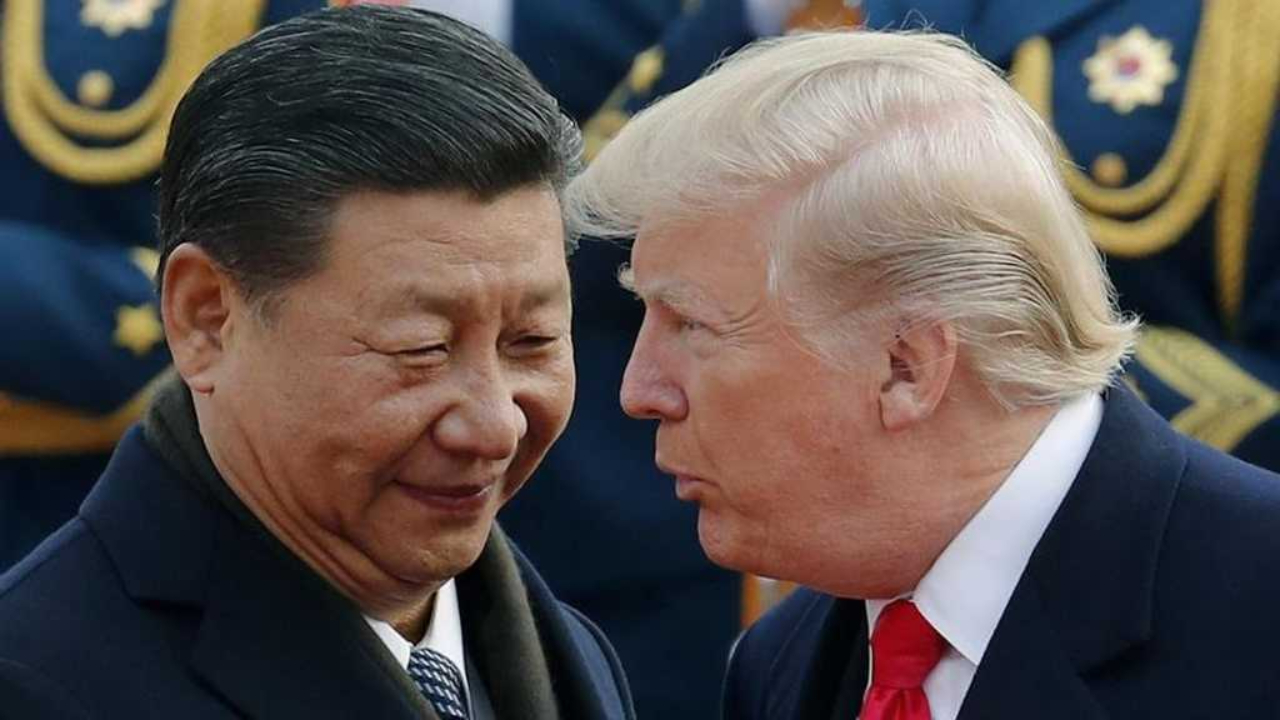
Brivify – On a crisp Friday morning, President Donald Trump concluded a phone call with Chinese leader Xi Jinping that may reshape the future of TikTok in the United States. What had begun as a yearslong battle over national security and trade tensions now appears closer to resolution. In his trademark fashion, Trump took to Truth Social shortly after the call, announcing progress not only on TikTok but also on wider issues ranging from trade to fentanyl to the war in Ukraine. His words set the stage for what could be the most significant US-China agreement of the year.
“Also read: New iPhone 17 Pro Camera Design Criticized for Ruining Aesthetics“
The Long Shadow of the TikTok Ban
TikTok’s fate in the United States has been uncertain ever since Trump, in his first term, pushed to ban the app unless it ceded majority control to US investors. That demand later became law under former President Joe Biden, who signed bipartisan legislation in 2024. Yet enforcement was repeatedly delayed as both sides wrestled over details. For millions of American TikTok users, the app’s future has been hanging by a thread flickering in and out of legality, even briefly going dark in January before Trump extended the deadline once more.
China’s Carefully Worded Response
China’s official stance has been cautious but pragmatic. State media outlet Xinhua reported that Xi assured Trump of China’s respect for corporate decisions as long as they complied with Chinese laws and served balanced interests. The phrasing was telling. Beijing has long drawn a red line around TikTok’s algorithm, the proprietary engine behind its “For You” feed, which it considers too valuable to relinquish. For China, allowing a sale without handing over that technology could be a diplomatic victory in itself.
The Shape of the Deal
Behind the scenes, negotiators in Madrid, including US Treasury Secretary Scott Bessent and Chinese Vice Minister of Commerce Li Chenggang, outlined the broad strokes of the agreement. TikTok’s US assets would be transferred to a consortium dominated by American investors, including Oracle, Andreessen Horowitz, and Silver Lake. ByteDance, TikTok’s Chinese parent company, would retain just 20 percent ownership. A majority-US board, with at least one Trump-appointed member, would oversee operations. The deal balances political optics with business pragmatism, though the algorithm remains a thorny question.
The Algorithm Dilemma
At the heart of TikTok’s success lies its algorithm, the invisible curator that keeps 170 million US users glued to their screens. Washington insists that the new American entity must operate independently of ByteDance’s algorithm, but replicating such technology is no easy feat. Rivals like Meta and YouTube have tried and stumbled. If the deal excludes direct access to TikTok’s algorithm, the new owners may face the herculean task of recreating the “special sauce” that made the platform so magnetic in the first place.
Political Calculations and Election Memories
For Trump, TikTok’s survival is no longer just about national security it’s about political calculus. The app’s overwhelmingly young user base offered unexpected support in the 2024 election, a demographic shift that Republican strategists have not overlooked. By positioning himself as the president who “saved TikTok,” Trump not only neutralizes criticism about censorship but also appeals directly to millions of young Americans. His willingness to extend deadlines, even against Congress’s will, reflects a sharp instinct for the electoral value of the platform.
“Read more: Dell Technologies Bets on Scalable AI With Data Platforms and Partnerships“
The Road to APEC
The phone call between Trump and Xi was not merely transactional it was diplomatic choreography. Both sides are working toward a face-to-face meeting at the upcoming APEC summit in South Korea. Trump has already confirmed he will travel to China early next year, while Xi is expected to make a reciprocal visit to the US “at the appropriate time.” The TikTok deal is not just about one app; it is a litmus test for whether Washington and Beijing can bridge divides in an era marked by tariffs, sanctions, and suspicion.
Whose Victory Is It Really?
In many ways, this proposed deal is less about TikTok itself and more about control, influence, and narrative. For Trump, it is an opportunity to present himself as the dealmaker-in-chief who secured American control over a foreign threat while keeping young voters happy. For Xi, it demonstrates China’s ability to negotiate on equal footing without surrendering technological crown jewels. And for ordinary TikTok users, it means the app that has defined digital culture for a generation may continue though its algorithm, and therefore its soul, remains shrouded in uncertainty.