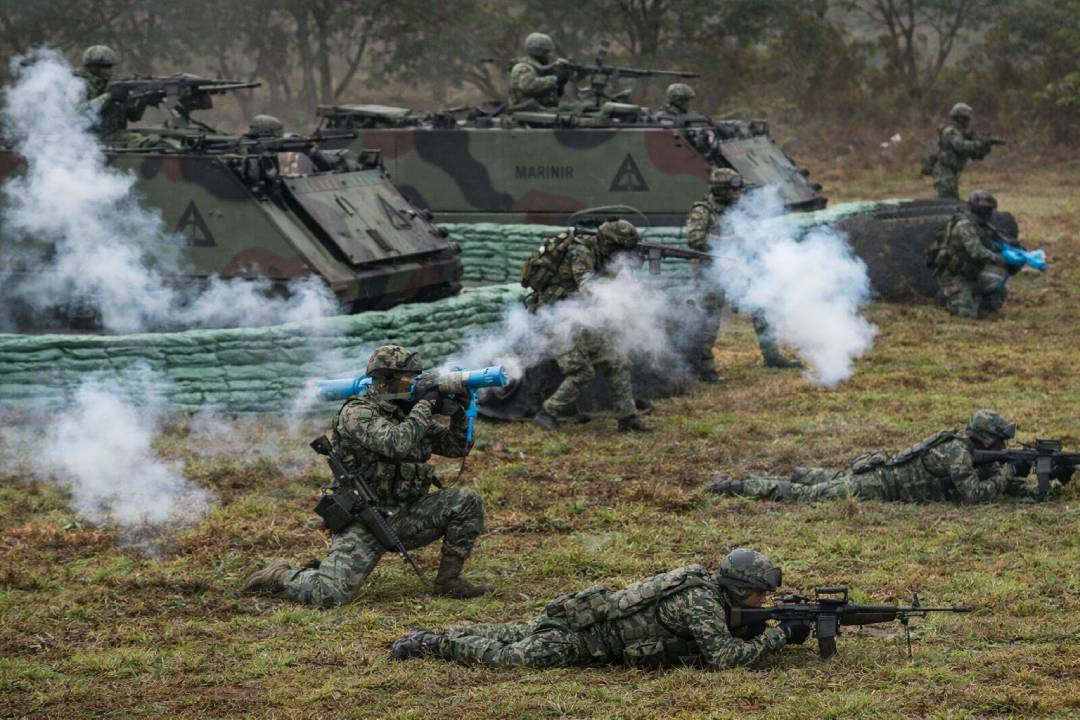
Tensions Rise as South Korea Fires at North Korean Soldiers Crossing Border
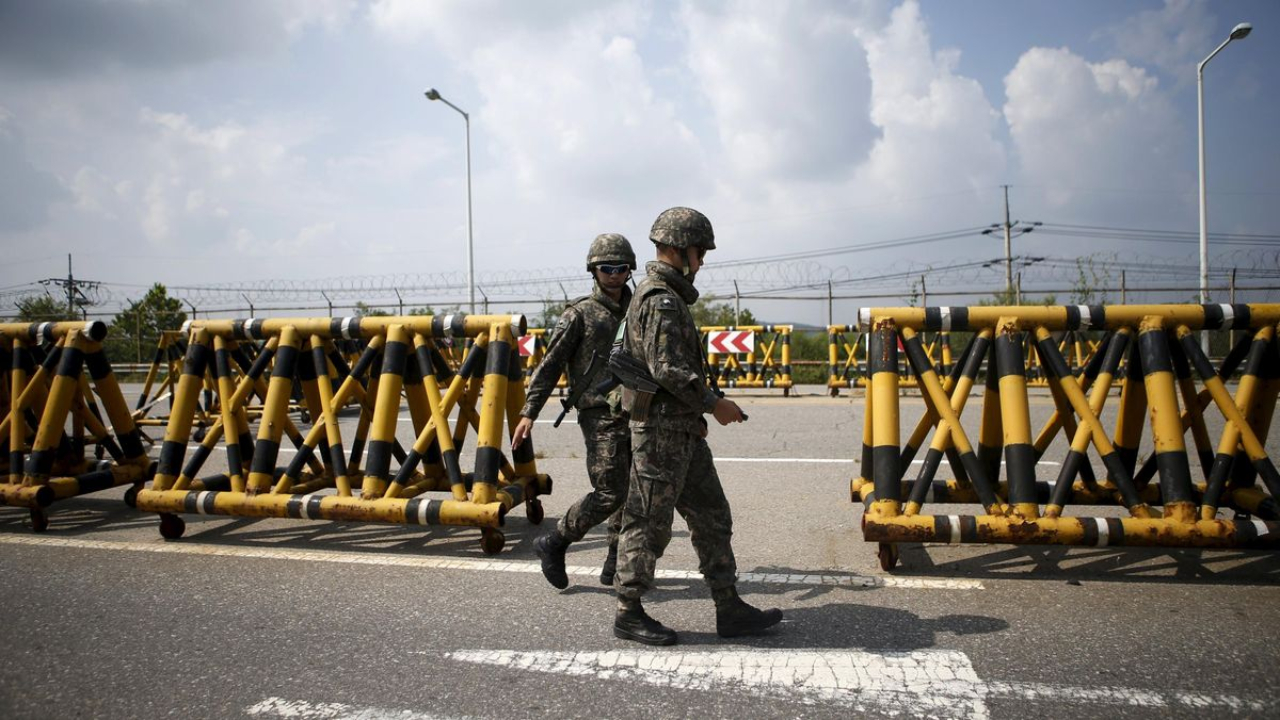
Brivify – Earlier this week, South Korea confirmed it fired warning shots at North Korean troops who briefly crossed the heavily fortified border separating the two nations. The crossing occurred in the Demilitarized Zone (DMZ), a 250-kilometer stretch of land that has divided the peninsula since the end of the Korean War in 1953. According to South Korea’s Joint Chiefs of Staff (JCS), a group of soldiers from the North stepped across the military demarcation line at around 15:00 local time before retreating back to their side shortly after. In response, South Korean forces fired more than 10 rounds of warning shots with machine guns to deter further advancement. The incident, though brief, has raised fresh concerns about security on one of the most volatile borders in the world.
“Also read: Brabus The German High-Performance Automotive Tuning Company“
North Korea’s Reaction and Accusations of Provocation
North Korean state media quickly condemned Seoul’s actions, calling the warning shots a “deliberate provocation.” Pyongyang accused South Korea of escalating tensions unnecessarily, warning that such moves could lead to “uncontrollable” consequences. North Korean Army Lt. Gen. Ko Jong Chol said the actions by the South would inevitably push the border situation into a dangerous phase. This rhetoric reflects Pyongyang’s typical strategy of framing defensive actions by Seoul as hostile acts. The North has a long history of accusing the South of aggression while justifying its own military maneuvers. By labeling the shots as provocative, Pyongyang positions itself as the victim, a tactic often used to rally domestic support and gain leverage in international negotiations.
Lee Jae Myung’s New Leadership
The timing of the incident is especially significant, coming just as South Korea’s newly elected President Lee Jae Myung was preparing for diplomatic visits to Tokyo and Washington. Lee campaigned on improving ties with North Korea, emphasizing dialogue and cooperation over confrontation. However, Pyongyang has shown little interest in reconciliation so far. Kim Jong Un’s sister has openly dismissed Lee’s overtures, signaling that the North will not soften its stance easily. The border clash underscores the delicate balance Lee must strike between pursuing diplomacy and maintaining security. His administration faces mounting pressure to prevent further escalation while also delivering on promises of improved inter-Korean relations.
The Role of the Demilitarized Zone (DMZ)
The DMZ has long been a symbol of both division and tension. Technically, it is not fenced off, and signposts are often obscured by dense vegetation, making accidental crossings possible. Still, any movement across the military demarcation line is considered highly sensitive. Intrusions, whether intentional or accidental, can trigger rapid military responses from both sides. Over the years, the DMZ has been the site of numerous incidents ranging from gunfire exchanges to propaganda battles using loudspeakers. The latest episode highlights the fragile nature of peace in the region and the constant risk of miscalculation. Even minor movements within the DMZ can escalate into larger confrontations if not managed carefully.
Suspension of Propaganda Broadcasts as a Confidence-Building Measure
Just weeks before the warning shots, Seoul had announced the suspension of its loudspeaker propaganda broadcasts along the border. These broadcasts, which blared news and messages critical of Pyongyang, were long considered by the North as an act of war. By halting them, South Korea hoped to restore some degree of trust and reduce hostility. However, the latest incident casts doubt on whether such confidence-building measures are effective. Pyongyang has often responded to goodwill gestures with skepticism or outright hostility. The cycle of limited engagement followed by renewed tensions illustrates the difficulty of achieving lasting peace. Despite Seoul’s efforts, the North continues to project defiance and mistrust.
A Conflict That Never Officially Ended
The Korean War, which raged from 1950 to 1953, ended with an armistice rather than a peace treaty. As a result, the two Koreas remain technically at war even after seven decades. Since then, the peninsula has been marked by periods of intense hostility, interrupted by occasional attempts at dialogue and cooperation. Border incidents, such as the latest warning shots, are reminders of this unresolved conflict. While both sides have at times agreed to de-escalation measures, mistrust continues to define their relationship. The lack of a formal peace treaty means that even routine military maneuvers are viewed with suspicion, creating fertile ground for misunderstandings and clashes.
International Implications and Regional Security
The warning shots carry implications beyond the Korean Peninsula. The incident coincides with South Korea’s president visiting key allies in Tokyo and Washington, highlighting the importance of regional security cooperation. Both Japan and the United States are directly invested in maintaining stability in East Asia, particularly given North Korea’s advancing missile and nuclear programs. Any escalation along the border risks drawing in these allies, potentially widening the conflict. Moreover, China, as North Korea’s closest ally, is also watching developments closely. The balance of power in the region depends heavily on how Seoul, Pyongyang, and their respective allies manage such flashpoints. The international community views each border clash as a potential trigger for broader instability.
“Read more: November Clash Looms Jake Paul vs Gervonta Davis Exhibition“
A Reminder of Fragile Peace
The firing of warning shots by South Korea against intruding North Korean soldiers serves as a stark reminder of how fragile peace remains on the peninsula. Despite recent efforts to reduce tensions, mistrust and hostility continue to dominate relations. With a new administration in Seoul promising engagement, the path forward is uncertain. The incident underscores the need for careful diplomacy, strong defense, and international cooperation to prevent small border skirmishes from escalating into larger conflicts. As history shows, the Korean Peninsula remains one of the most dangerous flashpoints in global security, where every move is scrutinized and every misstep could carry significant consequences.