Russia Equips and Trains China’s Airborne Battalion, A Deepening Military Partnership
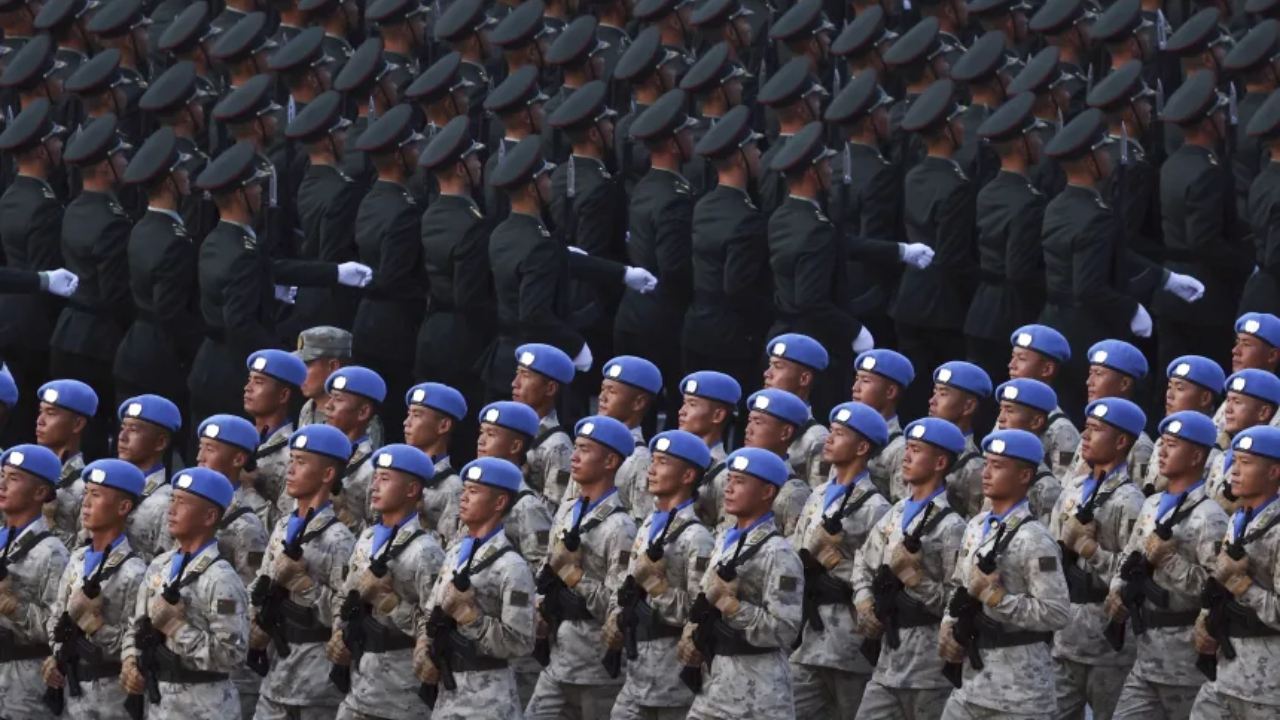
Brivify – According to documents reviewed by the Royal United Services Institute (RUSI), Russia has agreed to help China train and equip an airborne battalion. The leaked papers, reportedly over 800 pages, outline the sale of assault vehicles, anti-tank guns, and airborne armored personnel carriers. More significantly, they detail Russia’s role in training Chinese paratroopers to operate these weapons, underscoring a growing military alignment between Moscow and Beijing.
“Read also: Hamas Denies Receiving Trump’s Gaza Ceasefire Proposal“
Military Technology Transfers at the Core
One of the most notable aspects of the deal is Russia’s commitment to transfer technology that will allow China to manufacture similar weapons independently. This move goes beyond short-term arms sales, hinting at long-term cooperation that could significantly boost China’s military self-reliance. By sharing expertise, Russia not only strengthens ties with China but also cements its role as a strategic partner in shaping future regional security dynamics.
Enhancing China’s Air Maneuver Capabilities
Experts at RUSI argue that this agreement could dramatically improve China’s air maneuver abilities, an area where Moscow still retains an edge. For Beijing, this skillset could become crucial in any future attempt to assert dominance over Taiwan. An airborne battalion trained by Russian instructors would provide the People’s Liberation Army with offensive options that were previously unavailable.
Implications for Taiwan and Beyond
The training, according to RUSI fellows Oleksandr V. Danylyuk and Jack Watling, equips Chinese forces to penetrate foreign territories stealthily. This capability could extend beyond Taiwan, potentially threatening the Philippines and other island nations in contested waters. Given China’s ongoing disputes in the South China Sea, such enhancements raise concerns for regional stability and U.S. allies in Asia.
Historical Context of Russia-China Arms Trade
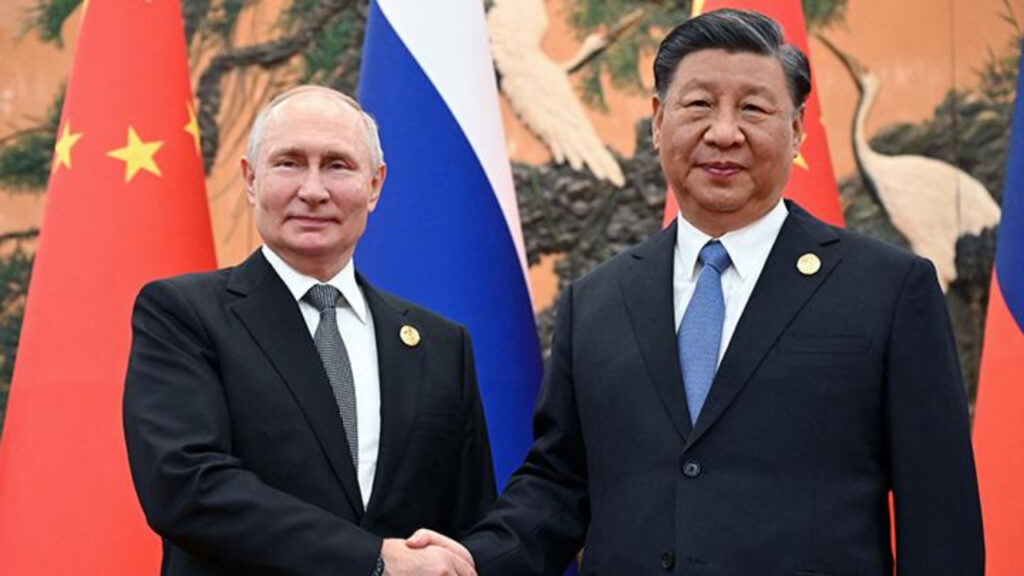
Russia and China have exchanged arms since the 1990s, but the pace of cooperation has accelerated over the past decade. Strengthened by the personal relationship between Vladimir Putin and Xi Jinping, their military partnership is now deeper than ever. Joint drills, arms sales, and political solidarity reflect a strategic bond that both sides view as essential in countering Western influence.
Joint Military Exercises Signal Unity
The collaboration extends beyond weapons. China and Russia conducted 14 joint drills in 2024 alone, the highest number since 2003. These included naval patrols near Japan, air exercises over Alaska, and even their first joint submarine patrol in the Pacific. Such displays showcase military synchronization while sending a message of deterrence to rivals. For both Moscow and Beijing, the optics of unity are as important as the practical benefits.
Economic and Political Dimensions
The military deal coincides with Russia’s increasing reliance on China economically. Since its invasion of Ukraine, Moscow has looked eastward, signing agreements such as a massive gas pipeline through Mongolia. Putin has described the bilateral relationship as being at an “unprecedentedly high level.” Military cooperation, therefore, is only one piece of a broader partnership that spans energy, politics, and strategy.
Training as the True Prize for China
While the equipment transfer is significant, analysts argue that training holds the greatest value for China. Unlike Russia, which has combat-tested airborne units, China lacks experience in air maneuver operations. By embedding Russian instructors in Chinese training grounds, the PLA gains practical knowledge it currently does not possess. For Beijing, this could be a decisive advantage if it ever attempts a high-risk operation against Taiwan.