President Donald Trump Peace Agreement, A New Chapter for the Middle East
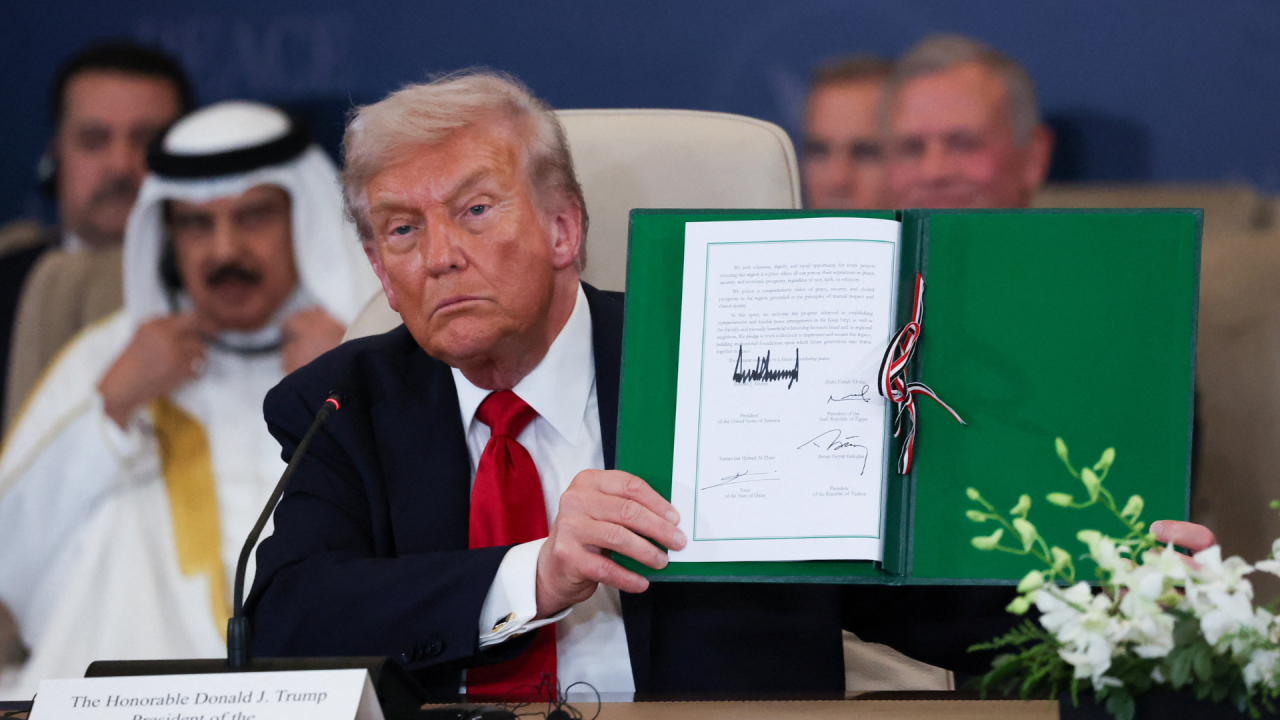
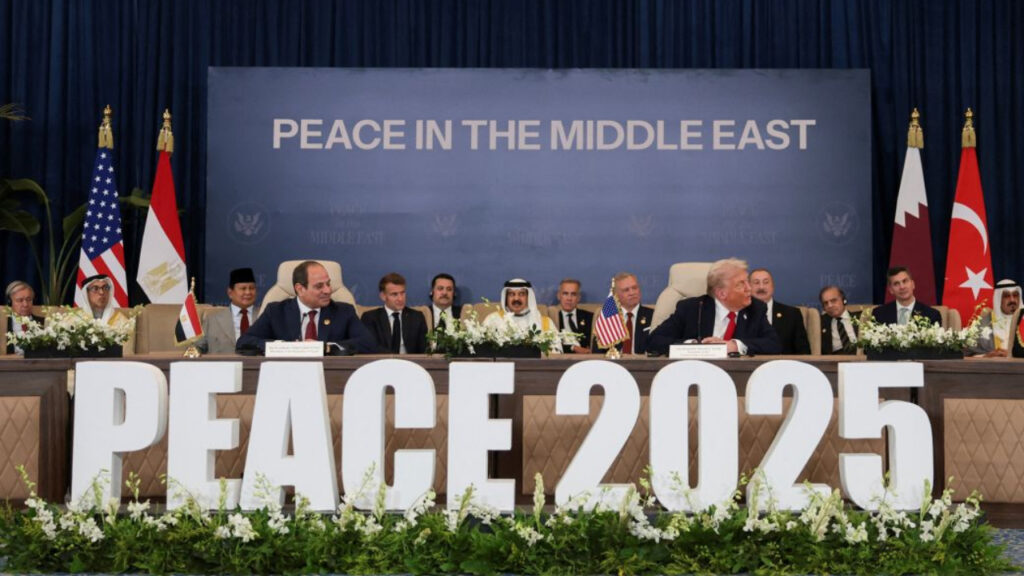
Brivify – US President Donald Trump has unveiled the Trump Peace Agreement, a new diplomatic initiative signed in Cairo, Egypt. The agreement marks what the White House calls a “historic commitment” to peace in the Middle East. It was signed by Trump, Egypt’s President Abdel Fattah el-Sisi, Qatar’s Emir Tamim bin Hamad Al-Thani, and Turkey’s President Recep Tayyip Erdoğan.
“Read also: Trump Declares End to Gaza War During Historic Visit to Israel“
A Vision of Hope and Security for the Future
The agreement outlines a shared goal: ending two years of regional conflict. It highlights “hope, security, and a shared vision for prosperity.” Although it lacks detailed plans, the message is clear diplomacy must replace division. Trump described it as a promise to protect human rights and ensure lasting peace for both Palestinians and Israelis.
Regional Leaders Show Rare Unity
The signing brought together leaders who often disagree politically. President el-Sisi praised Egypt’s stabilizing role in the region. Qatar’s Emir spoke about cooperation and mutual respect. Meanwhile, Turkey’s Erdoğan expressed optimism about a peaceful future. Their joint presence alone signaled a major diplomatic milestone.
A Declaration With Few Concrete Details
Despite its strong message, the Trump Peace Agreement leaves many questions unanswered. It provides no timeline for implementation or clear mechanisms for enforcement. Critics argue that it is more symbolic than strategic. Still, it establishes a framework for dialogue something the region urgently needs.
Donald Trump’s Signature Diplomatic Style
Observers say this move reflects Trump’s foreign policy strategy. His approach often prioritizes high-impact announcements over complex policy blueprints. Yet, in regions marked by conflict, symbolism can matter. The agreement gives the United States a renewed image as a peace broker, even if the roadmap remains unclear.
“Read also: States Observe Indigenous Peoples’ Day as Federal Holiday Halts Services“
Human Rights and Mutual Recognition as Core Principles
One of the agreement’s most notable passages stresses the importance of human rights and mutual dignity. “Lasting peace,” the declaration reads, “will be one in which both Palestinians and Israelis can prosper with their fundamental human rights protected, their security guaranteed, and their dignity upheld.” Though this echoes language from previous US-led peace efforts, the phrasing suggests a deliberate attempt to reset the tone of diplomacy toward inclusivity and coexistence, moving beyond purely economic or security-based frameworks.
A New Chapter or a Repetition of the Past?
Skeptics argue that without clear steps toward implementation, the Trump Peace Agreement risks becoming another in a long line of well-intentioned but ultimately ineffective accords. Still, the fact that regional power players like Egypt, Turkey, and Qatar are united under one declaration is notable in itself. The coming months will reveal whether this newfound cooperation can withstand the political, religious, and territorial complexities that have historically derailed similar initiatives.
The Legacy of Donald Trump’s Middle East Diplomacy
In the grander narrative of international relations, this agreement represents a continuation of President Donald Trump ambition to leave a legacy of bold diplomacy. While some question its depth, others see it as a strategic repositioning of the United States within a changing Middle Eastern landscape. If successful, it could serve as a cornerstone for future negotiations. If not, it may still stand as a testament to Trump’s audacious style an effort to brand peace itself under his administration’s name.