MotoGP’s Season-Ending Drama, When Racing Becomes a Human Story
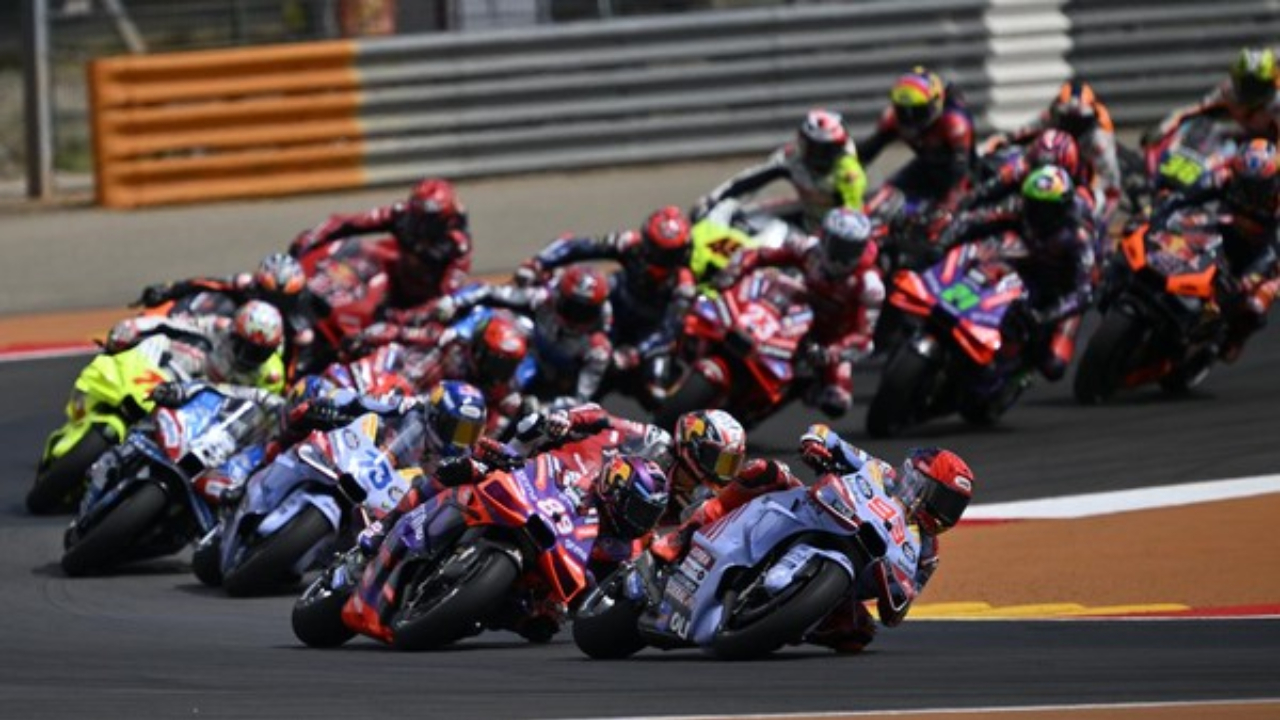
Brivify – MotoGP’s season-ending finale is always a spectacle, but every year it becomes something deeper: a moment when speed collides with vulnerability, ambition, and raw human emotion. The 2025 Valencia GP was no exception. Although the championship had been decided months earlier, the closing round revealed the psychological layers behind every rider’s journey. As someone who follows the sport closely, I’ve always believed that the final race tells us more about character than championship points. Riders enter the last weekend carrying months of momentum, mistakes, pressure, and hope, all of which converge into a single defining performance. That mix creates a narrative that extends far beyond lap times. It becomes a story of resilience, redemption, and the unpredictable nature of motorsport.
“Read also: Why Pirelli Says Downforce Simulations Don’t Reveal F1’s 2026 Competitive Order“
How MotoGP’s Season-Ending Pressure Changes the Way Riders Compete
As the MotoGP’s season-ending race approaches, the competitive mindset of every rider shifts. Even those who no longer fight for the title feel the weight of expectation. This unique pressure often brings out extremes either exceptional brilliance or crushing errors. For some riders, the finale is a chance to show teams they deserve better equipment or a new contract. For others, it becomes a test of mental endurance after a season of struggle. The Valencia round demonstrated how pressure can elevate performance, as seen in riders who delivered stunning late-season surges. Yet it also exposed how stress can magnify weaknesses, leading to mistakes that would rarely appear earlier in the year. The psychological stakes make the final race a battleground where nerves often matter more than horsepower.
The Season Finale as a Mirror of Team Dynamics
MotoGP’s season-ending showdown often brings team dynamics into sharper focus. Every final race reflects months of collaboration or conflict behind the scenes. At Valencia, we saw manufacturers like Aprilia thrive because of internal cohesion, strategic clarity, and improved rider confidence. On the other hand, teams facing instability struggled to maintain consistency. The finale becomes a moment of truth: engineers confirm whether their development path succeeded, riders reveal their trust level in the machine, and management evaluates whether their choices paid off. In many ways, the last race is less about speed and more about relationships between riders and machines, riders and crews, and teams and manufacturers.
Why the Final Race Exposes Hidden Strengths and Weaknesses
Throughout the season, performance can be masked by track characteristics, weather variations, or simple luck. But MotoGP’s season-ending round has a way of stripping away excuses. Valencia, with its tight layout and relentless rhythm, demands precision and adaptability. Only the riders who mastered tire management, mental focus, and evolving race conditions managed to shine. Conversely, those who relied too heavily on raw speed found themselves exposed. This dynamic reveals deeper truths about the grid: who genuinely improved, who regressed, and who still faces foundational issues. The finale becomes an honest assessment tool, offering fans a clearer picture of what the next season might hold.
How Momentum Builds or Crumbles at the Season’s End
Momentum is one of MotoGP’s most underrated elements. During the MotoGP’s season-ending round, a rider’s form over the last few races often dictates their final performance. We saw riders like Raul Fernandez and Fabio di Giannantonio carry late-season momentum into Valencia, transforming that energy into podium results. Their strong finishes reinforced the idea that confidence accumulated across months of racing can peak at exactly the right moment. Meanwhile, riders who experienced technical setbacks or mid-season slumps struggled to rebuild rhythm. Momentum, once lost, can be painfully difficult to reclaim. That contrast between rising confidence and lingering frustration created some of the strongest emotional beats of the 2025 finale.
“Read more: Changing Winds in Week 11: Injuries, Upsets, and a Historic NFL Debut in Spain“
The Emotional Toll of a Long Season Revealed in One Race
What fascinates me most is how MotoGP’s season-ending race reveals the emotional fatigue accumulated across the year. Riders often hide this exhaustion behind helmets, media interviews, and controlled body language. However, the final race tends to unmask their true state. Some riders look liberated as they cross the finish line, while others show visible frustration. The Valencia GP made this especially evident as riders confronted injuries, pressure, and personal expectations. These emotions highlight something important: MotoGP is not only a mechanical sport but also an intensely human endeavor. Each rider brings a personal story that unfolds long before the lights go out.
Why the Season Finale Shapes Off-Season Narratives and Future Expectations
The MotoGP’s season-ending event always sets the tone for the months that follow. Teams analyze every detail, fans argue about predictions, and riders reassess their strengths and weaknesses. The final performances often influence contract negotiations, development programs, and strategic decisions for the next year. A rider who ends strong can enter the off-season with optimism and leverage. A rider who struggles may face heightened scrutiny. The finale becomes a launchpad either toward redemption or increased pressure. That duality gives the closing race its narrative power.
The Legacy of a Season Defined in a Single Weekend
Ultimately, the MotoGP’s season-ending race captures the essence of what makes the sport extraordinary. The Valencia finale reminded us that motorsport is a blend of skill, risk, and emotion. It is a story where manufacturers chase innovation, riders chase perfection, and fans chase the thrill of unpredictability. The final weekend doesn’t just close the curtain on another year; it preserves the legacy of the season in a single, unforgettable snapshot. For me, this is why the season finale feels so monumental: it’s where the sport transforms from a championship into a human story worth remembering.