India and China Resume Direct Flights After Five Years, Marking a New Era of Cooperation
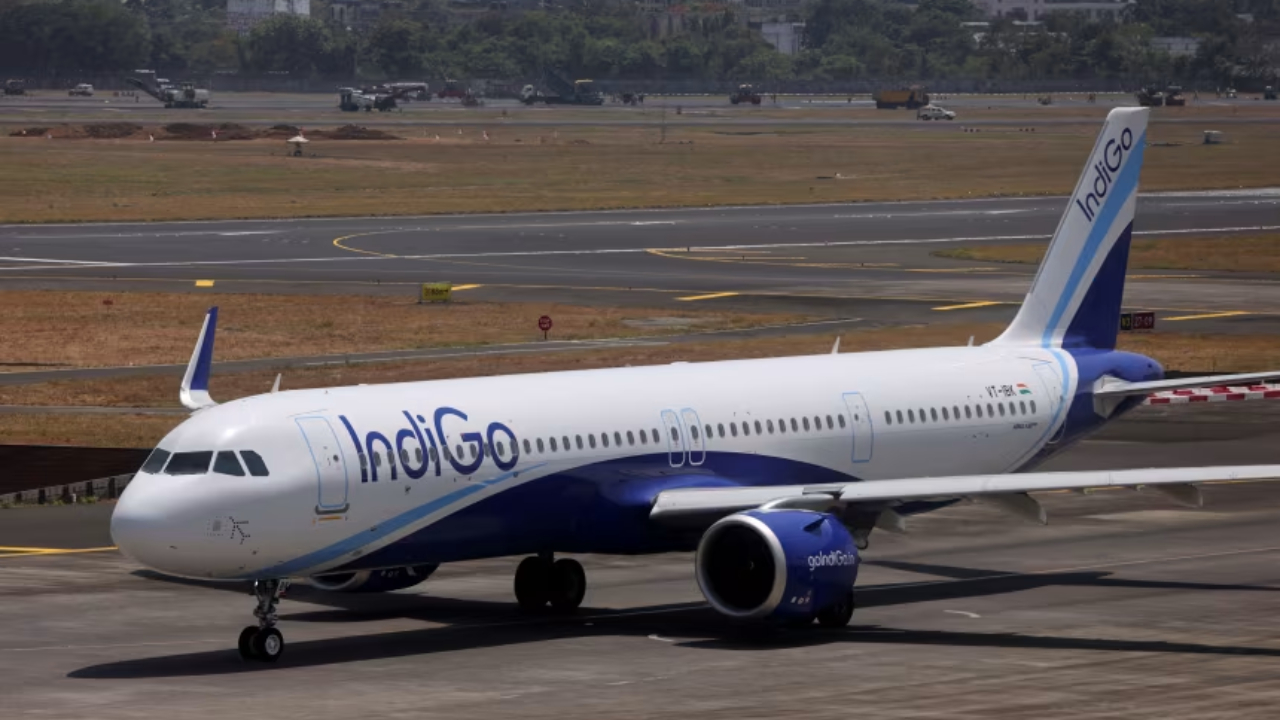
Brivify – After five years, direct flights between India and China have finally resumed. The first IndiGo flight took off from Kolkata at 10 p.m. on Sunday and landed in Guangzhou after three and a half hours. This moment marked a symbolic step toward reconciliation between the two Asian powers.
The flights were halted in 2020 after the Covid-19 outbreak and deadly border clashes in the Himalayas. Now, with tensions slowly easing, the restored air connection signals a growing sense of trust and cooperation.
“Read also: GOP Oversight: Autopen Pardons ‘Void’? What the Final Report Says and What It Doesn’t“
A Positive Shift in Bilateral Relations
The reopening of direct air routes reflects a broader thaw in relations between India and China, who have long shared a complex mix of competition and cooperation. Both nations have recently resumed high-level dialogues and military disengagement discussions along their disputed Himalayan frontier. The decision to restore air travel highlights a pragmatic understanding: people-to-people contact and trade are crucial stepping stones to sustainable peace.
According to Yu Jing, spokesperson for the Chinese Embassy in India, “Direct flights between China and India are now a reality.” This statement marks a turning point, suggesting that diplomacy is slowly giving way to opportunity and engagement.
Air Connectivity as a Bridge of Understanding
The significance of these flights extends beyond convenience. For years, travelers between the two countries had to endure multiple stopovers, often rerouting through Singapore or Bangkok. Now, direct flights provide a faster, more accessible route for business travelers, students, and cultural exchanges.
India’s Ministry of External Affairs emphasized that the resumption of flights will “facilitate people-to-people contact” and “help the gradual normalization of bilateral exchanges.” Indeed, air connectivity often serves as the first tangible sign of reconciliation between nations recovering from strained relations.
Growing Trade Amid Global Uncertainty
Interestingly, the reopening of air routes comes at a time when both India and China are deepening their trade cooperation. Despite ongoing geopolitical challenges, bilateral trade surpassed $136 billion in 2024, showing resilience amid global uncertainty.
The new Kolkata–Guangzhou route reconnects India’s textile and jute industries with southern China’s wholesale markets, reinforcing economic interdependence. It’s a timely move, especially as both countries face Western tariff pressures and increased scrutiny over their positions regarding Russia’s ongoing conflict in Ukraine.
More Airlines to Follow the Path of Reconnection
The air corridor revival doesn’t stop with IndiGo. China Eastern Airlines plans to restart its Shanghai–Delhi service on November 9, followed by IndiGo’s new Delhi–Guangzhou route on November 10. This growing network suggests a steady return to pre-pandemic connectivity levels.
For passengers like Krishna Goyal, who traveled on the first resumed flight, the sentiment was clear: “It’s a very happy moment. Earlier, we had to change two or three flights.” Such first-hand reactions show how deeply the resumption impacts not only diplomacy but also daily life and commerce.
“Read also: 7 of the World’s Freakiest Places You Can Actually Visit“
Diplomatic Momentum and Symbolic Gestures
The flight resumption follows months of careful diplomatic exchanges between New Delhi and Beijing. In August, Prime Minister Narendra Modi made his first visit to China in seven years, underscoring India’s intent to strengthen cooperation “on the basis of mutual trust and respect.” In return, Chinese Foreign Minister Wang Yi visited India, completing a symbolic gesture of reciprocity.
These visits, along with renewed dialogue mechanisms, suggest both sides are looking beyond past hostilities. The focus now appears to be on stabilizing regional relations while maintaining national interests a delicate but necessary balance in today’s geopolitical climate.
Economic Pragmatism Over Political Differences
While border disputes remain unresolved, both nations are demonstrating economic pragmatism. They understand that collaboration is mutually beneficial, particularly in sectors like manufacturing, technology, and renewable energy. India’s push for industrial growth aligns with China’s interest in maintaining stable Asian trade corridors amid shifting global alliances.
This pragmatic stance doesn’t erase strategic competition, but it acknowledges that coexistence through cooperation is essential in a multipolar world. The direct flight is, in essence, a metaphor for this new path one where dialogue flies higher than discord.
Looking Toward a Future of Mutual Engagement
The return of direct flights marks more than just an aviation milestone; it’s a symbolic restoration of trust. It opens the door to more interaction, mutual understanding, and cross-cultural collaboration between India and China.
As both nations navigate a rapidly changing global order, their ability to maintain communication and economic partnership will define not only regional stability but also the broader future of Asian diplomacy. For now, each flight crossing the skies between Kolkata and Guangzhou carries more than passengers it carries the promise of reconciliation, opportunity, and a shared vision for progress.