Gen Z vs Nepal’s Social Media Ban, A Protest That Escalated Into Tragedy
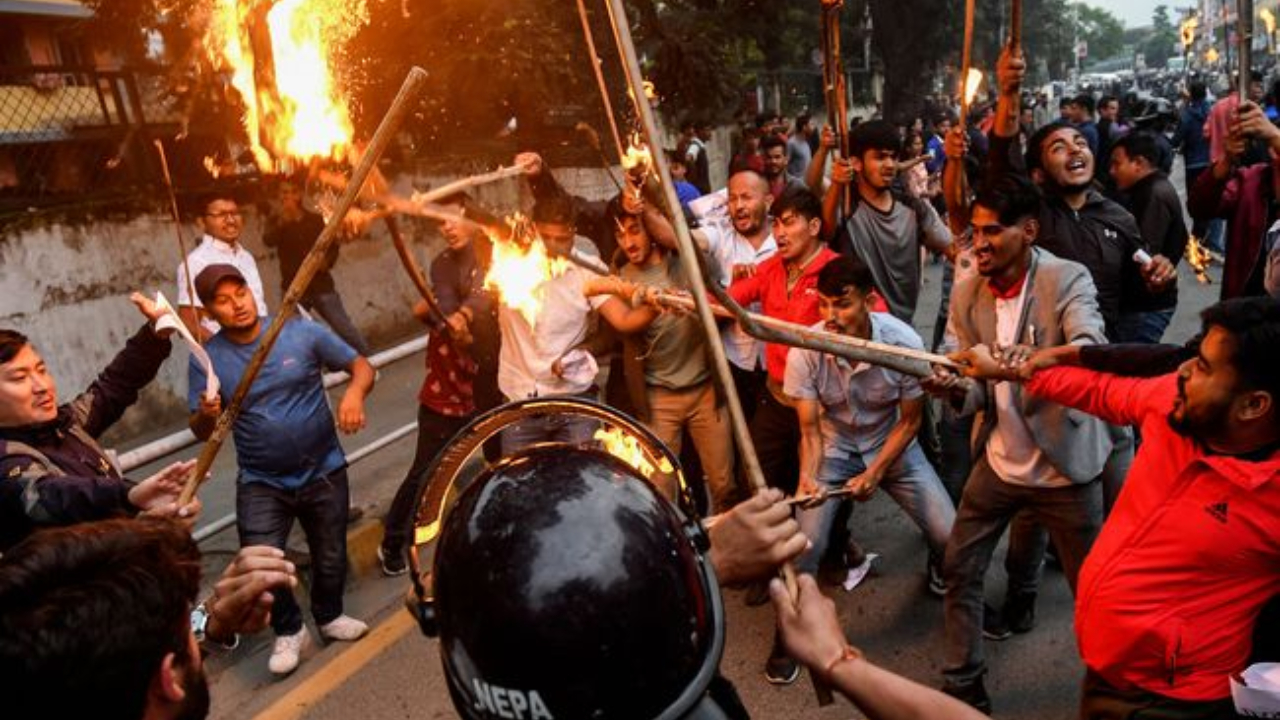
Brivify – Nepal’s government thought silencing Social Media Facebook, YouTube, X, and WhatsApp would bring peace of mind. Instead, it brought thousands of young people to the streets of Kathmandu. What was meant to be a “security measure” quickly turned into one of the most violent youth uprisings in recent history. The irony? By banning 26 social media platforms, the authorities created the very hashtag-worthy headlines they wanted to avoid.
“Also read: Trump’s Final Ultimatum on Gaza Ceasefire: A Last Warning to Hamas“
When Freedom Becomes a Luxury
For Gen Z in Nepal, the internet isn’t just entertainment—it’s life itself. Blocking social media wasn’t simply a policy change; it felt like someone had cut off oxygen. The streets filled with students who demanded their digital voice back, waving their smartphones as if they were torches of freedom. The government underestimated one thing: a generation raised online knows how to mobilize offline.
Protests That Turned Into Flames
Initially, the demonstrations carried the innocence of chants and banners. Yet, like many stories of frustrated youth, it escalated fast. When police intervened with tear gas and batons, the crowd responded with fury. Sixteen people lost their lives, over a hundred were injured, and Kathmandu’s streets resembled a war zone. The saddest irony? A protest about freedom turned into a tragedy of survival.
Hospitals in the Crossfire
Even hospitals weren’t spared from chaos. Tear gas drifted into the Civil Hospital, choking patients and doctors alike. “I’ve never seen such disruption before,” said hospital staff, while doctors struggled to breathe as much as to treat the wounded. In a country where medical facilities already strain under pressure, adding gas clouds into the ER seems like a grim punchline.
“Read more: China Makes AI Education Mandatory in Schools“
The Sound of Broken Trust
The younger generation wasn’t only protesting apps; they were raging against corruption, stagnation, and empty promises. The government believed it could muzzle frustration with bans and fences. Instead, it unlocked deeper anger. Watching students scale parliament gates wasn’t just a security breach—it was a symbolic leap over decades of political disillusionment.
Violence Begets More Violence
What could have been a controlled demonstration spiraled as police cracked down harder. Each baton swing and tear gas canister seemed to widen the gap between citizens and their leaders. Ironically, the more force was used, the less control the government seemed to have. One wonders if anyone in power realized that silencing a generation doesn’t erase its anger—it amplifies it.
A Generation That Refuses to Be Quiet
This wasn’t just about losing access to memes or messaging apps. For Nepal’s Gen Z, it was about reclaiming agency in a system that treats them as footnotes. Their protests may have ended in tragedy, but their defiance speaks louder than any government ban. Perhaps the real lesson here is simple: you can shut down apps, but you cannot mute an entire generation.