Gaza Hospital Strike Claims 20 Lives, Including Five Journalists
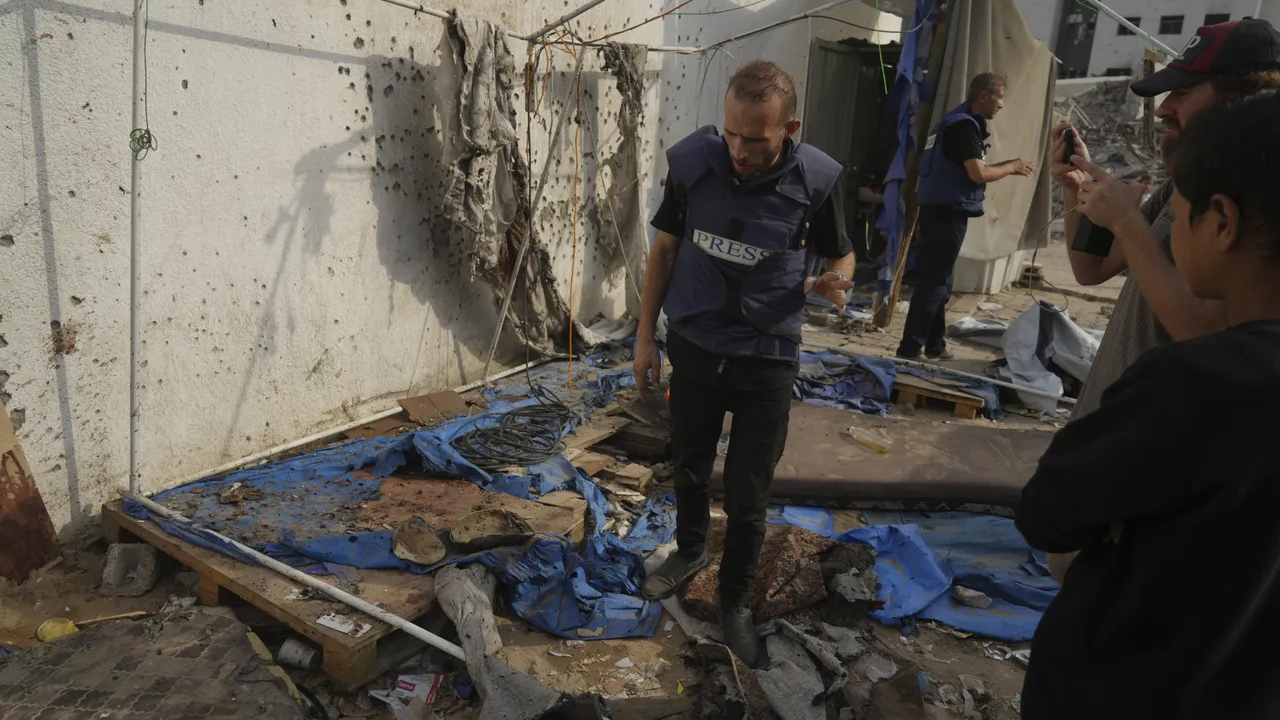
Brivify – The Gaza war continues to produce heartbreaking news, and this latest tragedy strikes directly at journalism. At least 20 people, including five journalists, died in an Israeli strike on a hospital in southern Gaza. Health officials in Gaza said the attack unfolded in two stages. The first blast killed several people instantly, while the second explosion struck as rescuers arrived. This deadly incident highlights the extreme risks journalists face while reporting from war zones. Since October 2023, nearly 200 journalists have been killed in Gaza. That number makes the conflict the deadliest ever documented for members of the press. International voices are now calling louder for accountability and greater protection for journalists working under fire.
“Also read: Menendez Brothers Murder Case From Beverly Hills Tragedy to Parole Hearings“
Details of the Hospital Strike
Witnesses reported that the first missile hit the hospital’s fourth floor, killing patients and staff on the spot. Doctors, journalists, and rescuers rushed to assist, but a second missile followed, adding to the carnage. Videos from the scene captured shattered glass, injured civilians, and a doctor showing blood-stained clothes. The hospital, the largest in southern Gaza, was full of people seeking urgent care. After the strike, smoke poured from upper floors as ambulances battled to reach the wounded. Chaos erupted outside as survivors screamed and ran for safety. This attack raises serious concerns about the safety of hospitals in war and the obligations of all parties under international law to protect civilians.
Journalists Among the Victims
Among the dead were five journalists from respected international and local media. Reuters confirmed cameraman Husam al-Masri was killed and that Hatem Khaled was injured. The Associated Press mourned the death of Mariam Dagga, a 33-year-old freelancer. Al Jazeera confirmed the loss of Mohammad Salama. Photographer Moaz Abu Taha was also killed, though reports linking him to NBC were false. The fifth journalist, Ahmad Abu Aziz, has yet to be tied to a specific outlet. These losses add to a growing toll of media workers who risk their lives daily in Gaza. Their deaths represent both personal tragedies and a blow to global press freedom.
International Reactions to the Attack
The attack drew swift international condemnation. Reuters said it was “devastated.” AP described itself as “shocked and saddened” by the loss of Dagga. Al Jazeera accused Israel of repeatedly targeting its reporters, calling the deaths deliberate attempts to silence coverage. The UN’s human rights office condemned the strike as a grave breach of international law. The Committee to Protect Journalists (CPJ) declared Gaza the deadliest war zone for reporters ever recorded. These reactions underline a growing demand for stronger international protections for media workers. Despite repeated outcries, journalists continue to die in alarming numbers, caught between military actions and political disputes.
Israel’s Response and Ongoing Investigation
The Israel Defense Forces (IDF) confirmed it is investigating the hospital strike. However, it insisted it does not target journalists. No clear details about the incident were provided, which has fueled skepticism among rights groups. Israel has in the past accused certain journalists of links to Hamas. CPJ and other organizations counter that Israel has failed to show credible evidence for such claims. The gap between Israel’s explanations and the evidence on the ground fuels mistrust. Pressure is mounting on the IDF to provide transparency and accountability, particularly when journalists are killed in its operations. Without full disclosure, questions about international law compliance remain unresolved.
“Read more: Silicon Valley Talent Wars: The Billion-Dollar Play for AI Geniuses“
The Deadliest War for Journalists
According to CPJ, more journalists have died in Gaza in the past two years than worldwide in the three years prior. Since October 2023, nearly 200 journalists have lost their lives while covering the conflict. These numbers reveal just how perilous reporting in Gaza has become. Local journalists carry the heaviest burden, since Israel has banned independent foreign media from entering Gaza. International outlets depend almost entirely on these reporters, who continue working despite overwhelming danger. Their sacrifices keep the world informed about events inside Gaza. Yet every death reduces independent coverage and threatens the public’s right to know.
Restrictions on International Media Access
Israel’s restrictions on international media deepen concerns about transparency. Since the war began, foreign journalists have been barred from entering Gaza independently. Only under IDF supervision can some access be granted. This leaves the global media heavily reliant on local reporters and freelancers. These journalists face unimaginable risks, often without the safety protections international reporters usually receive. The reliance on them underscores their courage but also highlights ethical concerns. Without independent access, verifying claims from either side becomes difficult. The lack of oversight limits accountability, fueling worries about press freedom and the integrity of reporting during the war.