China Calls for Immediate Ceasefire After US-Israel Strikes on Iran
Brivify – China Calls for Immediate Ceasefire After US-Israel Strikes on Iran became a defining geopolitical headline on March 1, 2026. The statement followed coordinated military actions by the United States and Israel targeting Iranian facilities. According to official remarks from China’s Ministry of Foreign Affairs, the strikes were described as unacceptable and destabilizing. As a result, Beijing urged all involved parties to halt military operations immediately and return to diplomatic negotiations. This response quickly drew international attention because it reflected broader concerns about regional escalation. Therefore, the situation demands careful examination from both political and economic perspectives.
“Read Also: Top 10 Best-Selling Car Brands in the World 2025, Three Chinese Automakers Break Into the Rankings“
Official Condemnation from China’s Foreign Ministry
On March 1, 2026, China formally condemned the military strikes, emphasizing the importance of sovereignty and international law. Officials described the operation as a violation of regional stability principles. Furthermore, Beijing warned that continued aggression could widen the conflict beyond immediate borders. Instead of endorsing retaliatory actions, China advocated dialogue and structured diplomatic engagement. This approach aligns with its long-standing foreign policy framework, which prioritizes non-intervention and negotiated settlements. Consequently, the statement positioned China as a vocal advocate for de-escalation during a volatile moment.
Reports of Escalation and Regional Impact
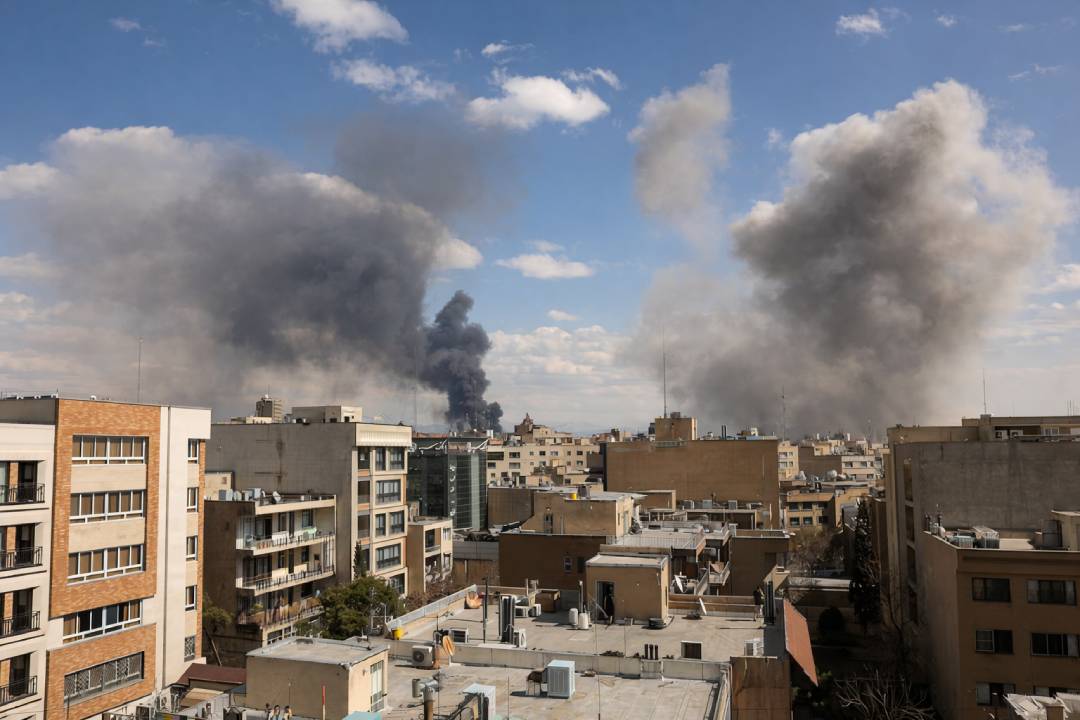
According to international coverage, the joint operation reportedly resulted in the death of Iran’s Supreme Leader, Ayatollah Ali Khamenei, and triggered immediate retaliatory measures. As tensions escalated, regional security conditions deteriorated rapidly. Airspace restrictions increased, and military alert levels were raised across several neighboring states. In modern conflict environments, such rapid responses heighten uncertainty. Therefore, the risk of miscalculation becomes significantly greater. Observers noted that the speed of developments amplified diplomatic urgency.
China’s Emphasis on Sovereignty and Stability
In its official remarks, China stressed respect for national sovereignty and opposed regime change through force. This emphasis reflects a consistent diplomatic principle in Chinese foreign policy. Moreover, Beijing highlighted the dangers of destabilizing power structures in sensitive regions. Historically, sudden political shifts in the Middle East have produced prolonged instability. Consequently, China framed its ceasefire call as a preventive measure rather than a symbolic gesture. By doing so, it reinforced its commitment to structured international dialogue.
International Reactions and Diplomatic Divides
Meanwhile, global reactions remained divided. Some Western governments defended the strikes as security measures. Others expressed deep concern about escalation risks. The United Nations urged restraint and emphasized diplomatic channels. Therefore, the international response illustrated growing polarization in global politics. Such divisions often complicate unified peace initiatives. However, they also underline the complexity of contemporary geopolitical alignments.
Economic and Energy Market Consequences
Beyond diplomacy, economic ripple effects became evident. Energy markets experienced short-term volatility, particularly in crude oil pricing. Investors shifted toward safer assets amid uncertainty. Historically, Middle East conflicts correlate with fluctuations in global energy supply expectations. As a major energy importer, China faces direct exposure to such disruptions. Consequently, its call for stability also carries economic reasoning. Market confidence frequently depends on predictable geopolitical conditions.
“Read Also: FC Barcelona Faces Newcastle in the Champions League Round of 16 and Officially Signs Marcus Rashford“
Strategic Positioning in Global Power Dynamics
China’s response also reflects evolving global power dynamics. Over the past decade, Beijing has expanded its diplomatic footprint in the Middle East. By advocating ceasefire and negotiation, China strengthens its image as a stabilizing actor. At the same time, it avoids direct military entanglement. This calculated approach enhances diplomatic credibility. In global politics, perception management is often as critical as direct intervention.
Risk of Broader Regional Conflict
Security analysts warn that miscalculated retaliation could trigger broader confrontation. Modern military systems operate with high speed and advanced coordination. Therefore, communication failures can escalate rapidly. In volatile conditions, preventive diplomacy becomes essential. China’s statement underscored this urgency. Although ceasefire appeals do not guarantee compliance, they create space for negotiation. Diplomatic windows, even brief ones, can prevent prolonged conflict.
Prospects for Negotiation and De-escalation
Looking ahead, the path toward stability depends on sustained diplomatic engagement. If negotiations resume promptly, escalation risks may decrease. However, prolonged retaliation would complicate recovery efforts. Historically, early diplomatic intervention increases the likelihood of containment. China’s appeal for immediate ceasefire may influence multilateral discussions within international forums. Ultimately, durable peace requires coordinated action among major global powers.