Charlie Kirk Tragic Shooting, Suspected Killer Surrenders After Confessing to His Father
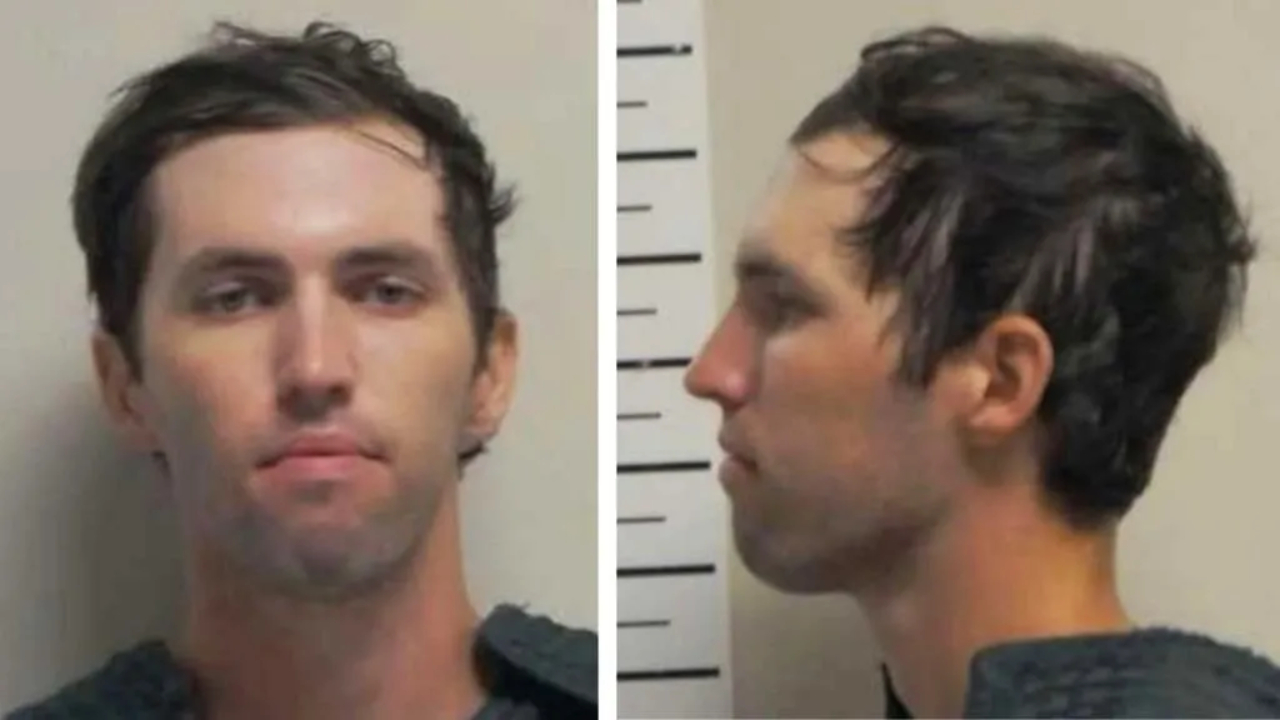
Brivify – The shocking case of Charlie Kirk suspected killer reached a critical point when authorities confirmed the arrest of 22-year-old Tyler Robinson from Utah. After a dramatic 33-hour manhunt, the suspect was taken into custody late Thursday night. What makes this story even more unsettling is that Robinson reportedly confessed to his father before surrendering. Investigators revealed that he initially expressed intentions of taking his own life rather than facing justice, a moment that highlighted both the gravity of the crime and the turmoil within his family. His arrest brought relief to a shaken campus community, though questions remain about his motives.
“Also read: Heavy Rainfall Hits Bali: Tourists Urged to Follow Travel Guidelines“
How the Father and Pastor Played a Key Role
One of the most compelling elements of this case is the involvement of Robinson’s father and a family friend who serves as a youth pastor. Instead of allowing his son to vanish or commit further harm, the father made a difficult choice—he reached out for help. Together with the pastor, they worked to calm Robinson and convince him to surrender. Eventually, the pastor contacted U.S. Marshals, who apprehended Robinson around 10 p.m. This sequence of events underscores how family intervention and trusted community figures can make a difference in preventing further tragedy, even under the most intense emotional strain.
Charlie Kirk’s Final Moments on Stage
The killing itself unfolded in horrifying fashion during a university debate on Wednesday. Charlie Kirk, a well-known right-wing activist, was on stage engaging with students when the fatal shot rang out. Panic swept through the hall as students ran for safety, leaving a trail of fear and disbelief. Surveillance later revealed Robinson had been on campus for hours before the shooting, suggesting it was premeditated. The image of Charlie Kirk, whose voice often stirred strong political reactions, being silenced mid-sentence will remain etched in the public consciousness as a symbol of rising tensions in America’s polarized climate.
The Political Reactions That Followed
In the aftermath, the case quickly escalated into a national political talking point. Former President Donald Trump was the first to announce the arrest, using the moment to call for the death penalty against Robinson. Utah’s Governor Spencer Cox addressed the media, confirming details of the investigation while emphasizing the suspect’s growing political radicalization. The sharp partisan divide surrounding Kirk’s death reveals how violence can amplify existing cultural fractures. Some view the incident as a symptom of unchecked hatred, while others see it as part of a broader crisis of political extremism gripping the United States.
Evidence That Strengthened the Case
Investigators uncovered a disturbing trail of evidence linking Robinson to the crime. A Mauser .30-06 bolt-action rifle, reportedly his weapon of choice, was discovered wrapped in a towel in nearby woods. Engravings on shell casings included chilling messages like “Hey fascist! CATCH!” and “O Bella ciao, Bella ciao,” referencing an Italian resistance anthem. Digital footprints added weight to the case, with Discord messages showing Robinson discussing retrieving the weapon from a hidden location. Together, these pieces of evidence painted a clear picture of premeditation, leaving prosecutors confident as they prepare to file charges of aggravated murder and related offenses.
“Read more: Ralph Lauren & Michael Kors Kick Off NYFW SS26 with Poise and Purpose“
The Community’s Shock and Response
Utah Valley University, where the shooting occurred, has been in lockdown since Wednesday. Police tape, blocked roads, and lingering fear mark the normally bustling campus. Students expressed mixed emotions—relief at Robinson’s capture but lingering anxiety about what drove such violence. First-year student McKinley Shinkle voiced deep shame, as Robinson was arrested in her home county. Others admitted they were haunted by the thought of attending an event that turned into a nightmare. The collective trauma of the student body highlights how such incidents leave scars not only on direct victims but on entire communities struggling to find peace.
The Suspect’s Background and Family Life
Public records and interviews provide a complex portrait of Tyler Robinson. Once registered as a nonpartisan voter, he reportedly showed little interest in politics until recent years. He lived in St. George, Utah, pursuing an electrical apprenticeship at Dixie Technical College. His family, active in the Mormon church, appeared deeply rooted in their community. His father runs a small business, while his mother works as a social worker. Yet beneath this seemingly ordinary life, investigators found evidence of radicalization. According to a roommate, Robinson’s online activity reflected growing hostility, with references to Kirk specifically. This duality between outward normalcy and hidden turmoil raises difficult questions about how extremism develops quietly within familiar settings.