Afghanistan Internet Blackout, Silence Under Taliban Rule
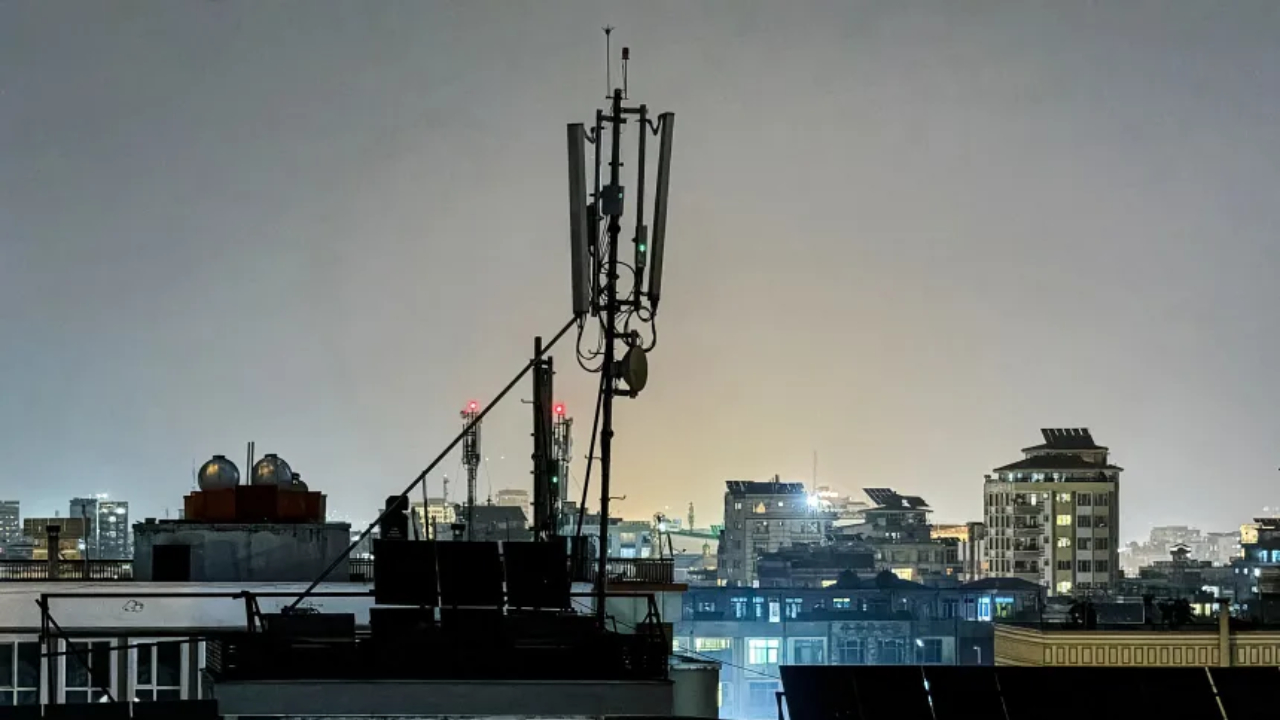
Brivify – On Tuesday, Afghanistan faced one of the most extensive internet blackouts in its modern history. The ruling Taliban cut off access nationwide, framing the move as part of a campaign against what they called “immoral activities.” Yet for millions of Afghans, this action signaled a terrifying step toward deeper isolation and uncertainty. With communication lines severed, families abroad reported being unable to reach loved ones, while local media outlets struggled to operate under near-total silence.
“Read also: Huawei Puts Open-Source AI at the Center of Connect 2025“
The Immediate Impact on Daily Life
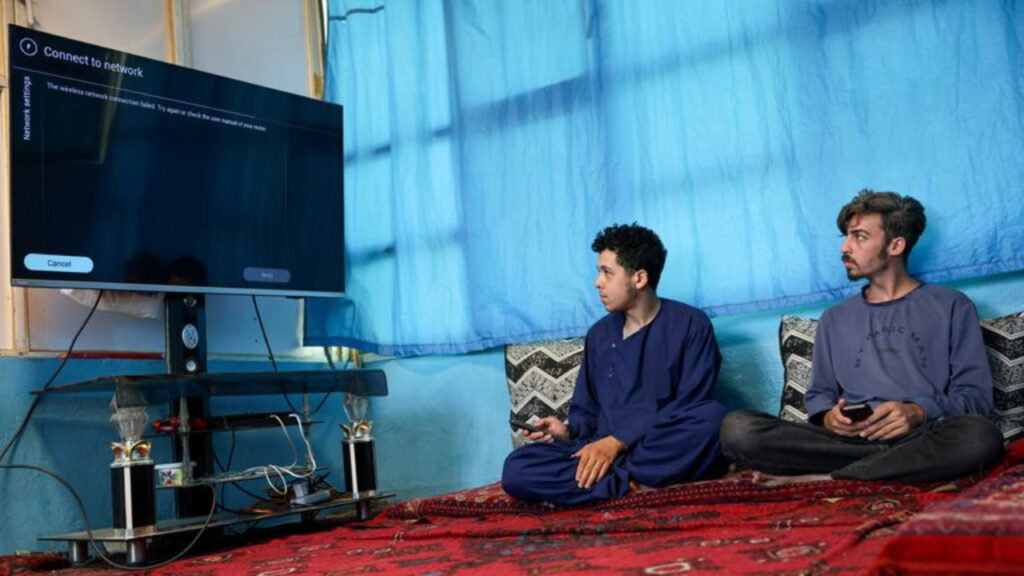
NetBlocks confirmed the shutdown, noting disruptions in both internet and phone services. For ordinary Afghans, this meant total isolation. Mohammad Hadi, living in Delhi, described his despair. “From yesterday, there is no communication with a single person,” he said. Many like him remain helpless, unable to reach loved ones back home.
Flights Canceled and Newsrooms Silenced
The blackout went beyond personal struggles. Flight data showed several cancellations into Kabul. Local and international newsrooms reported losing contact with their staff. Tolo News admitted its operations suffered badly. The Associated Press and AFP also failed to reach bureaus in Kabul. Journalism, already under threat, faced another crushing blow.
Echoes of Past Taliban Rule
The Taliban’s move has raised alarms globally, recalling memories of their first regime in the 1990s, when television, satellite dishes, and mass communication tools were banned. This latest shutdown is seen as the most coordinated since the group’s return to power in 2021. Sources from the Afghan Embassy told CNN that the blackout was ordered at the highest levels, with Supreme Leader Mawlawi Haibatullah Akhundzada reportedly sanctioning the decision.
Humanitarian Consequences of Disconnection
Beyond communication, the blackout threatens Afghanistan’s fragile humanitarian landscape. Since the Taliban banned girls from attending school beyond grade six, many have relied on online classes offered by NGOs and educators abroad. Cutting off internet access jeopardizes these lifelines. Women’s rights organizations like Women for Afghan Women warn that silencing Afghans digitally extinguishes their connection to the outside world, further trapping them under authoritarian control.
The Human Cost of Silence
For many Afghans abroad, the blackout is not just political but deeply personal. Wahida Faizi, a journalist in Denmark, described the devastation of losing contact with her parents. “Perhaps we always complained about the slow internet in Afghanistan,” she said, “but today I realize that even faulty internet was a blessing.” Her words highlight how connectivity is more than convenience it is emotional survival in times of uncertainty.
“Read also: Over a Century After Creating Israel, the UK Finally Recognizes Palestine“
Global Reactions and Calls for Action
International observers have condemned the Taliban’s decision as a tool of repression. Mariam Solaimankhil, a member of the exiled Afghan government, called the silence “deafening,” stressing how Afghan voices are being erased from the global stage. Some activists have even appealed to Elon Musk, urging him to provide Starlink access as a way to bypass Taliban censorship. While Starlink is not yet available in Afghanistan, the calls reflect global desperation to keep Afghans connected.
Isolation as a Political Strategy
This blackout underscores a broader pattern of Taliban governance tightening control by restricting freedoms. Since 2021, human rights have been steadily eroded, especially for women and girls. Cutting internet access is not just about limiting “immoral activities,” as the Taliban claim; it is about silencing dissent and preventing global scrutiny. By disconnecting millions, the Taliban strengthen their grip while pushing Afghanistan further into isolation.
The Future of Digital Afghanistan
The blackout leaves pressing questions: how long will the shutdown last, and what alternative systems might replace it? Taliban officials hinted at building internal platforms, but such systems would likely be tightly monitored and censored. Without global connectivity, Afghanistan risks being left in a digital vacuum an authoritarian stronghold with little room for freedom, growth, or hope.