Hot Topics
News
Breaking News, Brivify, Crisis Evacuation Planning, Economic Impact Indonesia, Escalating Regional Conflict, Global Geopolitical Tensions, Hot Topics, Indonesian Citizens Abroad, Indonesian Foreign Policy, International Humanitarian Concern, Middle East Conflict 2026, Migrant Worker Crisis, Overseas Indonesian Protection
Half a Million Indonesian Citizens in a Vulnerable Situation Amid Escalating Conflict
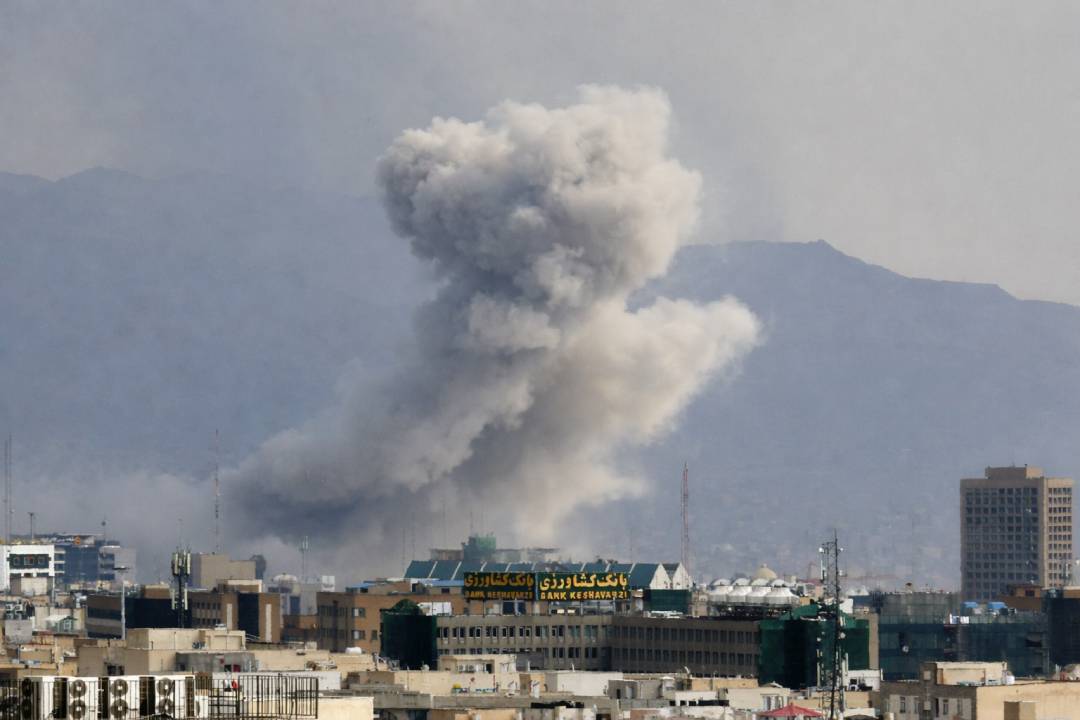
Brivify – Half a Million Indonesian Citizens in a Vulnerable Situation Amid Escalating Conflict has become one of the most discussed international headlines in early March 2026. As tensions intensify in the Middle East, the ripple effects are being felt far beyond the immediate battlefield. According to official diplomatic reports dated March 3, 2026, approximately 500,000 Indonesian nationals are currently residing in countries directly or indirectly affected by military escalation. Most of them work in sectors such as domestic services, construction, healthcare, and energy. Consequently, the situation has evolved from a geopolitical issue into a humanitarian concern. While global powers debate strategy, ordinary workers face uncertainty. Therefore, this development demands careful attention, not only from policymakers but also from the international community.
“Read Also: Top 10 Best-Selling Car Brands in the World 2025, Three Chinese Automakers Break Into the Rankings“
Escalation Since Late February 2026 Intensifies Regional Instability
The conflict began intensifying in late February 2026, when coordinated military operations triggered retaliatory responses across the region. As a result, airspace restrictions, port closures, and heightened security alerts disrupted daily life in several Gulf countries. Although the primary hostilities occurred between major powers, neighboring nations experienced indirect consequences. Consequently, thousands of migrant workers, including Indonesians, found themselves in unpredictable conditions. Flights were delayed or canceled, and cross-border movement became limited. Therefore, mobility restrictions have significantly complicated evacuation planning. In many cases, workers remain safe physically, yet psychological stress continues to grow. Uncertainty, rather than immediate violence, has become the main source of anxiety for many families.
Migrant Workers Face Economic and Emotional Pressure
Half a Million Indonesian Citizens in a Vulnerable Situation Amid Escalating Conflict are not only facing security concerns but also economic instability. Many Indonesian migrant workers rely on monthly remittances to support families back home. However, when companies reduce operations or temporarily close, income becomes uncertain. As a result, families in Indonesia also feel indirect pressure. Moreover, communication disruptions and alarming media coverage intensify emotional distress. From a human perspective, separation during a crisis magnifies fear. Even when individuals are not directly harmed, the psychological burden remains heavy. Therefore, protection measures must address both physical safety and emotional well-being. In my view, this dual dimension is often underestimated in crisis reporting.
Government Response and Diplomatic Coordination Efforts
In response to Half a Million Indonesian Citizens in a Vulnerable Situation Amid Escalating Conflict, the Indonesian government activated emergency coordination mechanisms through embassies and consulates. According to official statements released on March 3, 2026, 24-hour hotlines and crisis centers have been established. Additionally, diplomatic communication with host countries has intensified. However, evacuation is not always immediate. Airspace limitations and security assessments require cautious planning. Consequently, authorities prioritize areas with higher risk exposure. From a strategic standpoint, phased evacuation ensures safety but requires patience. While some critics demand faster action, experts emphasize that coordination in conflict zones must follow strict protocols. Therefore, measured response often proves more sustainable than impulsive decisions.
Transportation Disruptions Complicate Evacuation Plans
Transportation remains one of the most critical challenges. Due to escalating tensions, several airlines suspended routes to key Middle Eastern hubs. Furthermore, maritime routes near strategic energy corridors experienced increased surveillance. Consequently, logistical flexibility became limited. Evacuating large numbers requires charter flights, security clearance, and coordination with multiple governments. Therefore, the scale of Half a Million Indonesian Citizens in a Vulnerable Situation Amid Escalating Conflict presents a complex operational challenge. Unlike smaller crises, mass relocation cannot occur overnight. In addition, weather conditions and regional air traffic congestion further complicate schedules. From an operational perspective, crisis management demands precise timing and international cooperation. Without stable corridors, evacuation remains a delicate process.
“Read Also: China Calls for Immediate Ceasefire After US-Israel Strikes on Iran“
Broader Economic Impact on Indonesia
Beyond humanitarian concerns, Half a Million Indonesian Citizens in a Vulnerable Situation Amid Escalating Conflict carries economic implications. Indonesia relies significantly on remittances from overseas workers. When income flow slows, household consumption in certain regions may decline. Additionally, rising global oil prices triggered by Middle Eastern instability could increase domestic fuel costs. Consequently, inflationary pressure may intensify. Economic analysts note that geopolitical instability often impacts emerging markets indirectly. Therefore, safeguarding migrant workers is not only a social responsibility but also an economic priority. From a macroeconomic perspective, protecting overseas citizens helps stabilize domestic resilience. In my opinion, this crisis highlights how interconnected global labor systems truly are.
Psychological and Social Dimensions of Crisis Exposure
Half a Million Indonesian Citizens in a Vulnerable Situation Amid Escalating Conflict also reveals the psychological vulnerability of migrant communities. Living in foreign countries during military escalation can create persistent anxiety. Even when cities remain calm, uncertainty affects mental health. Families in Indonesia continuously seek updates, often relying on fragmented information. Therefore, transparent communication becomes crucial. Crisis communication experts argue that timely updates reduce panic and misinformation. In addition, community solidarity among Indonesian workers abroad has strengthened. Support networks provide reassurance and shared resources. Consequently, social cohesion becomes an informal safety net. From a human perspective, resilience often emerges through collective support rather than formal systems alone.
Why This Crisis Demands Long-Term Strategic Protection
Half a Million Indonesian Citizens in a Vulnerable Situation Amid Escalating Conflict should serve as a wake-up call for long-term migrant protection strategies. As global mobility increases, geopolitical risk becomes unavoidable. Therefore, proactive contingency planning is essential. Governments must strengthen early-warning systems, diversify labor destinations, and enhance digital monitoring platforms. Furthermore, bilateral agreements should include emergency evacuation clauses. From a strategic viewpoint, prevention costs far less than reactive crisis management. While the current focus remains on immediate safety, future policy must anticipate similar scenarios. Ultimately, protecting citizens abroad requires sustained commitment. This situation demonstrates that national responsibility does not end at borders. Instead, it extends wherever citizens seek opportunity and livelihood.