Vatican New Warning on Polyamory and Why the Debate Is Growing Worldwide
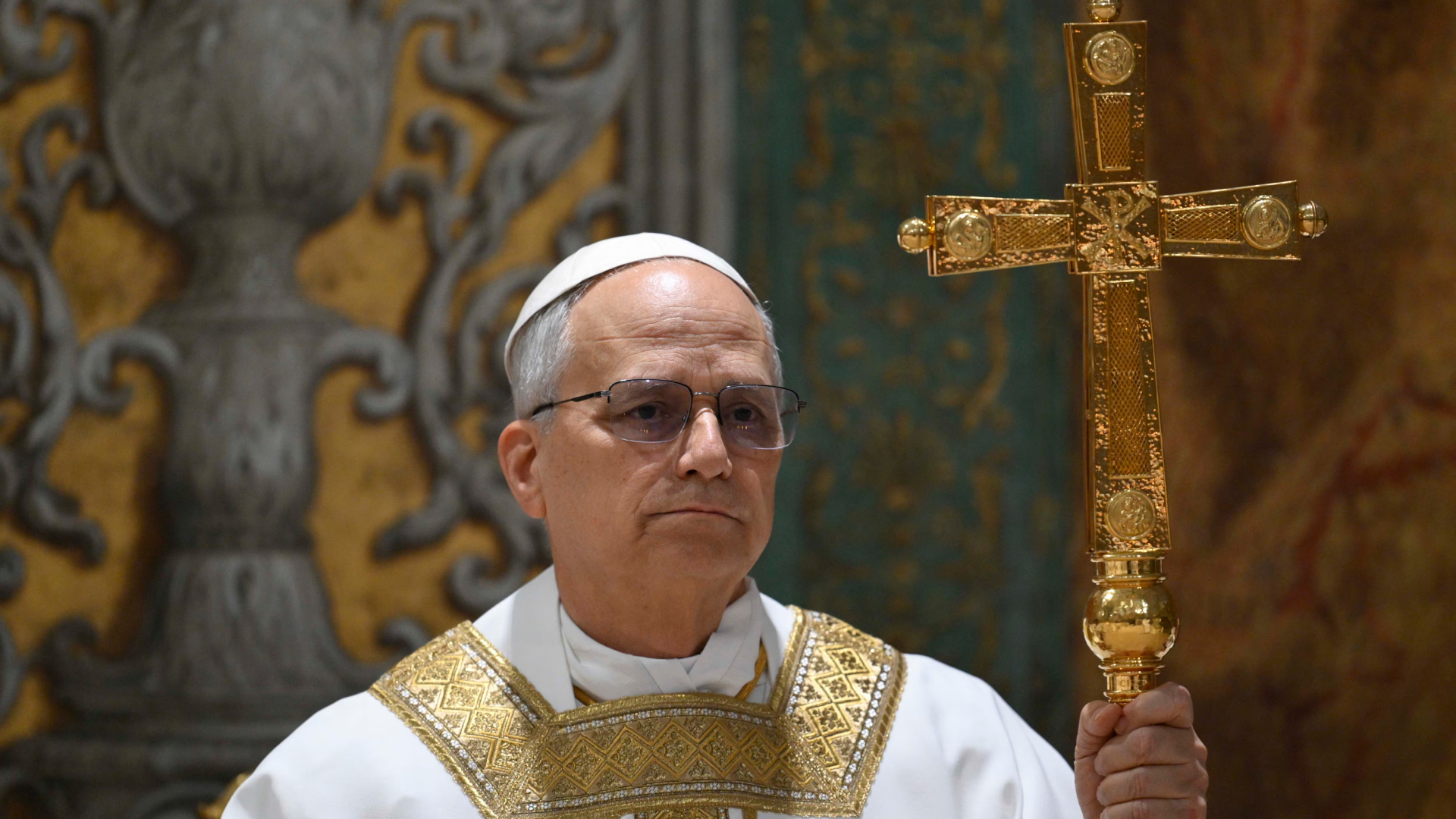
Brivify – The Vatican has issued a firm reminder about its long-standing position on marriage, emphasizing that a lifelong union between one man and one woman remains the foundation of Catholic teaching. The new doctrinal note, titled “One Flesh – In Praise of Monogamy,” arrives at a time when public acceptance of polyamory is spreading across many Western societies. The document argues that true emotional stability grows from commitment, not from what it calls a “succession of faces.” By framing monogamy as a sanctuary of belonging, the Church attempts to re-anchor the value of exclusivity in a rapidly shifting cultural landscape.
“Read also: Trump maduro designation a Terror Affiliate: A Turning Point in US Venezuela Tensions“
Growing Popularity of Polyamory Triggers Institutional Concern
Polyamory is gaining visibility through social media, academic discussions, and shifting cultural norms. As more people explore multiple consensual relationships, the Vatican feels compelled to respond. According to Church leaders, the trend represents a deeper societal confusion about intimacy and long-term commitment. Moreover, the rise of polyamory is viewed as part of a broader pattern: higher divorce rates, fragile partnerships, and increasingly transactional attitudes toward love. From the Church’s perspective, these shifts challenge the meaning of relational fidelity, prompting renewed doctrinal clarification.
Distinguishing Polyamory and Polygamy in Modern Contexts
Although both terms involve multiple partners, the Vatican notes important differences. Polygamy typically refers to one man having several wives. Polyamory, meanwhile, involves people pursuing multiple romantic relationships with full consent from those involved. Still, the Church groups both under a shared concern: neither model aligns with its vision of exclusive marital union. Discussions with African bishops about polygamy and with Western bishops about polyamory helped shape the document. This global dialogue reveals how diverse cultural practices can influence the Church’s pastoral challenges.
Cardinal Fernández Explains the Purpose Behind the Document
Cardinal Victor Manuel Fernández, head of the Vatican doctrine office, clarified that the text does not aim to attack individuals who live differently. Instead, it seeks to articulate why monogamy holds a rich theological value. He explains that exclusive partnership symbolizes total self-giving, which the Church sees as a reflection of divine love. In his view, a stable union offers emotional depth that temporary arrangements cannot match. By presenting this reasoning, the Vatican hopes to engage both believers and skeptics in a broader discussion about relational meaning.
Marriage as More Than a Path to Procreation
Another significant point in the document is its shift in emphasis on sex within marriage. Traditionally, Catholic teaching highlighted procreation as a defining purpose. However, this note stresses that sexual union is also profoundly unitive. It fosters emotional closeness and expresses mutual devotion even when children are not the result. This nuance marks an evolution in how the Church communicates its moral framework. While Catholic doctrine still prohibits artificial contraception, the renewed attention to the unitive dimension acknowledges the complex realities of modern relationships.
“Read also: Coach Dave Toub Pushes Back After Trump Criticizes NFL Kickoff Rules“
Tensions Within the Church Over Contemporary Sexual Ethics
Debates surrounding marriage, sexuality, and partnership continue to spark tension within Catholic communities. Some theologians welcome the Vatican’s re-assertion of monogamy, seeing it as a needed moral compass. Others argue that rigid frameworks may alienate younger generations who seek more flexible models of love. These internal conversations highlight a Church in transition, navigating how to uphold ancient teachings while engaging honestly with contemporary life. This document becomes part of a wider debate about what love, fidelity, and responsibility mean today.
Western Cultural Shifts Push the Vatican to Respond
The Vatican’s announcement reflects the speed at which societal norms are evolving. Television, digital platforms, and public figures have made polyamory more visible than ever. As family structures diversify, the Church faces pressure to articulate clear positions without appearing disconnected from real-world experiences. The doctrinal note aims to offer clarity during this cultural flux. It frames monogamy as a counter-narrative one built on stability, shared purpose, and enduring loyalty values the Church believes remain vital regardless of changing trends.
Broader Moral Questions Behind the Vatican’s Message
Although the document focuses on polyamory, its deeper intention is broader. It asks societies to reflect on how they define commitment, trust, and emotional security. From the Vatican’s viewpoint, relationships thrive not through variety but through depth. The message suggests that constant shifts in partners may create emotional instability, both individually and collectively. While critics will challenge this view, the document invites renewed dialogue about the future of family life, cultural expectations, and spiritual identity.