Tanzania Faces Global Scrutiny Over Post-Election Violence
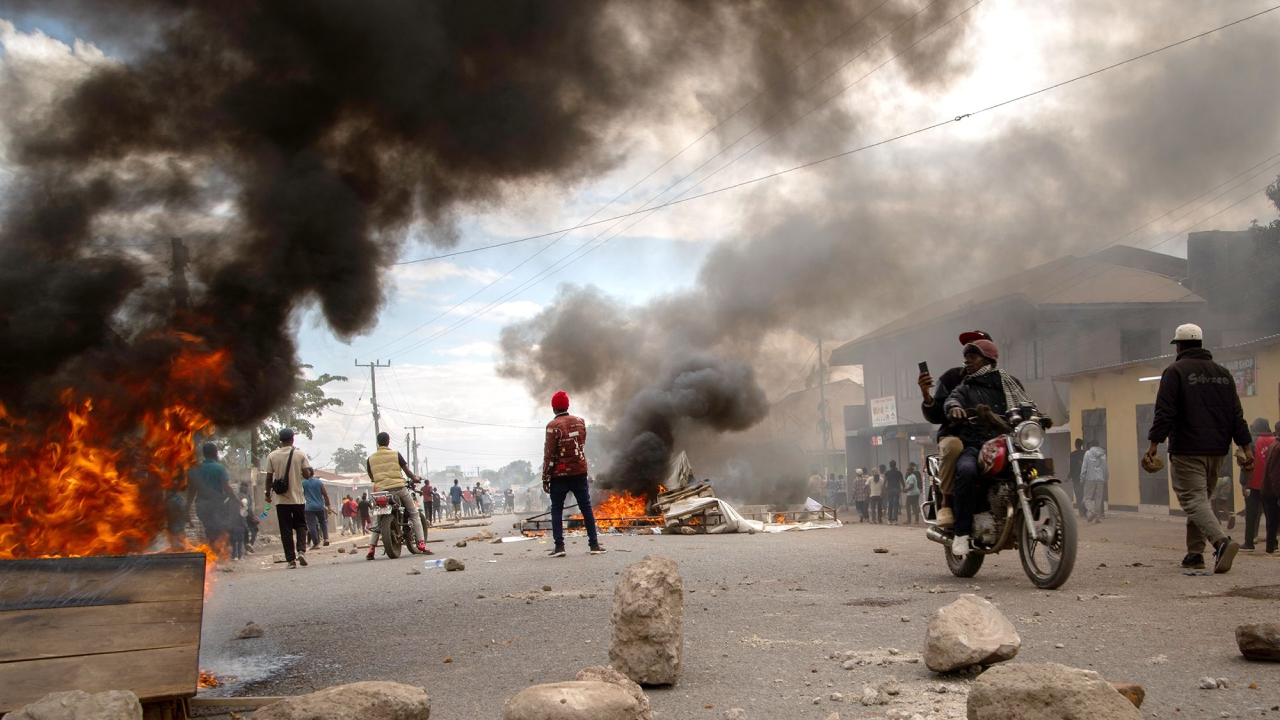
Brivify – The crisis unfolding in Tanzania has drawn deep concern from the international community. Once considered one of East Africa’s most stable nations, the country now grapples with allegations of mass killings and police brutality following a disputed election. From my perspective, this is not only a political failure but also a human tragedy that exposes the fragility of democracy in the region.
“Read also: Call to Earth Day 2025, Guard Your Green Space with Global Action“
Protests Erupt After a Disputed Election
Tensions soared after President Samia Suluhu Hassan claimed victory in the October 29 vote. Opposition groups, especially the banned Chadema party, called the election unfair. Soon after, protests spread across several cities. Demonstrators demanded transparency, but security forces responded with violence. According to Chadema’s spokesperson Brenda Rupia, at least 2,000 people have died. Although the government called this number exaggerated, the scale of unrest remains alarming.
Opposition Claims of Concealed Bodies
Even more disturbing are claims that police have secretly disposed of hundreds of victims’ bodies. Rupia alleged that over 400 bodies were “thrown away” at unknown locations. Families, she said, were prevented from retrieving their loved ones. Personally, I find this allegation horrifying because it suggests an attempt to erase evidence and silence mourning. Moreover, the government’s internet shutdown has made verification nearly impossible, adding another layer of uncertainty.
The Arrest of Opposition Leader Tundu Lissu
The opposition’s struggle intensified when Tundu Lissu, leader of Chadema, was arrested on treason charges. Authorities accused him of attempting to disrupt the election, but critics viewed it as a strategy to eliminate political competition. From my point of view, this move symbolizes how power can be protected through repression rather than legitimacy. When opposition voices are silenced, democracy itself stands on fragile ground.
International Pressure Mounts on the Tanzanian Government
In response, global institutions and foreign governments have spoken out. The African Union, Human Rights Watch, and the governments of Canada, Norway, and the United Kingdom expressed serious concern. They urged Tanzania to allow independent investigations into the alleged killings. Furthermore, the AU condemned the “use of lethal force” and highlighted that internet blackouts make it harder to verify deaths. I believe this collective pressure shows that the world still demands accountability, even from governments that hide behind national sovereignty.
The Human Toll Behind Political Power
Behind the statistics lie heartbreaking personal stories. Many families continue searching for missing relatives, while hospitals remain overwhelmed with victims of gunfire and beatings. Rupia said, “Most bodies are still at hospitals,” describing how authorities blocked families from taking them home. In my opinion, this is no longer about politics it’s about the dignity of human life and the misuse of state power. Every lost life represents a failure of justice.
“Read also: Nancy Pelosi’s Farewell, The End of an Era in American Politics“
A President at a Crossroads
President Hassan’s reaction has raised eyebrows. While she admitted that people died during the protests, she did not share specific numbers. Once celebrated as Tanzania’s first female leader with reformist ideals, she now faces growing criticism. Personally, I think this is her defining moment. She can either open the door to transparency or let Tanzania slide deeper into authoritarianism. The world is watching how she responds.
Media Restrictions and the Fight for Truth
Adding to the chaos, police banned citizens from posting “panic-causing” photos and videos. Despite this, images of corpses have circulated online, contradicting official statements. These actions show a clear attempt to control the narrative. However, in today’s digital age, truth finds its way through even the tightest censorship. From my perspective, silencing the media does not protect stability it destroys credibility.
A Call for Justice and Accountability
Ultimately, Tanzania needs an impartial investigation and genuine reform. The deaths cannot remain uncounted, and the victims cannot remain unnamed. International observers and local activists must work together to ensure justice. In my view, this crisis is a warning for all democracies: when governments fear criticism more than corruption, they lose the moral authority to lead. Only truth, transparency, and accountability can restore hope for the Tanzanian people.