Taylor Swift ‘The Life of a Showgirl’. When Pop Stardom Meets Its Harshest Mirror
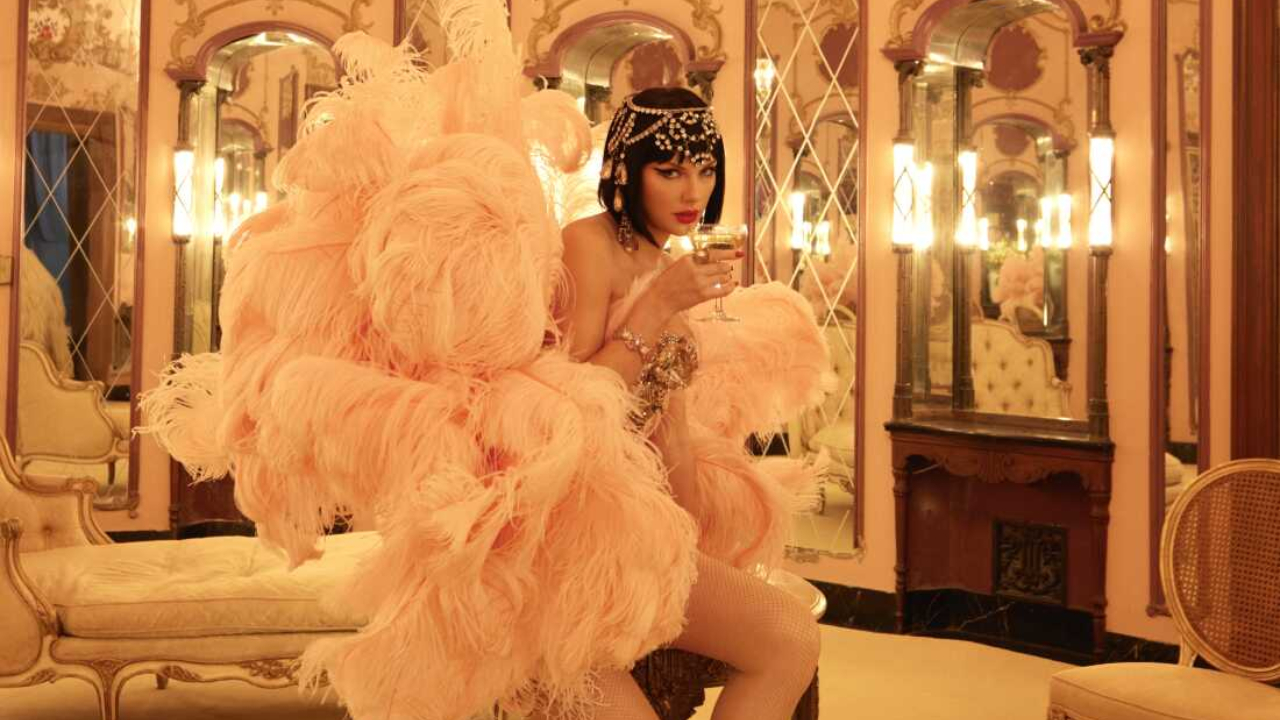
Brivify – Even the most devoted Taylor Swift fans are feeling the weight of disappointment right now. Once known for turning heartbreak into art and introspection into anthems, Swift now faces one of the most complex moments in her career. Her latest album, The Life of a Showgirl, has received polarizing reviews that ripple through her vast and loyal fanbase. What once seemed like an unbreakable bond between artist and audience is suddenly being tested not by scandal, but by skepticism.
“Read also: Trump Urges Israel to Stop Gaza Bombing, Says Hamas Ready for Peace“
The Album That Divides Devotion
Swift’s new project was supposed to be her triumphant follow-up to The Tortured Poets Department, yet the response has been unexpectedly lukewarm. Critics have described the record as both self-indulgent and uninspired. Pitchfork handed it a disappointing 5.9, claiming “her music’s never been less compelling,” while The New Yorker questioned whether her life of privilege had dulled her emotional range. For an artist known for vulnerability, this critique cuts deep. Fans who once defended every lyric now find themselves whispering doubts could it be that not every Taylor era is golden?
When the Muse Feels Manufactured
Part of the discontent stems from the album’s content itself. Songs like “CANCELLED!” a tongue-in-cheek reflection on fame fatigue feel detached and oddly cynical. In the era of raw, fearless voices like Sabrina Carpenter or Charli XCX, Swift’s attempts at edginess come across as self-conscious rather than sincere. It’s a strange paradox: an artist so in control of her narrative now sounds slightly out of touch. While she once captured universal emotions, her latest lyrics seem trapped within the walls of her own celebrity.
The Travis Kelce Effect: Love and the Limits of Relatability
Swift’s relationship with Travis Kelce adds another complicated layer to the public’s perception. Her love life has always been intertwined with her music, but this time, the romance seems to clash with the art. A few fans even joke that the football star’s infamous “can’t really read that well” comment haunts the album’s tone. When love becomes spectacle, authenticity becomes harder to maintain and Swift’s brilliance has always thrived on authenticity. The result feels oddly performative, as though she’s narrating a movie version of her own love story.
The “Official Release Party” That Sparked Debate
Over the weekend, Swift’s team doubled down on the Showgirl era by releasing Taylor Swift: The Official Release Party of a Showgirl, a pseudo-documentary-slash-lyric-video compilation that grossed over $33 million. Yet critics were far from impressed. The Guardian dismissed it as a “lazy big-screen cash-in,” while parents noted how heavily edited the lyrics were to sanitize sexual references. The visual repetition, minimal editing, and lack of narrative depth left audiences wondering: has Swift’s brand outgrown its creative spark?
When Fandom Faith Meets Reality
What makes this moment fascinating isn’t just the criticism it’s how Swifties are handling it. Her fanbase has long been one of the most loyal and protective in music, known for crafting friendship bracelets and decoding hidden Easter eggs in lyrics. But now, even they seem conflicted. Online forums oscillate between fierce defense and gentle disillusionment. “She’s done so much for us,” one fan wrote, “but maybe it’s okay to admit this isn’t her best.” It’s a rare admission in a fandom that once treated criticism as betrayal.
“Read also: Hamas Rejects Trump’s Disarmament Proposal in Gaza Ceasefire Plan“
The Evolution of Idol Worship in the Digital Age
This cultural shift reflects something bigger than Taylor herself it’s about how fans relate to their idols in the modern era. In the post-pandemic world, parasocial relationships have intensified, blurring lines between admiration and identity. Swift’s ability to make fans feel “seen” has always been her superpower, but that closeness cuts both ways. When an artist stumbles, the disappointment feels personal. Her fans aren’t abandoning her they’re recalibrating what it means to support someone who has grown beyond the everygirl persona that first captivated them.
The Critics, the Culture, and the Comeback
Taylor Swift has faced creative criticism before Reputation was divisive, Lover polarizing yet she has always rebounded with reinvention. That’s the paradox of her artistry: for every stumble, she finds a new sound, a new era, a new mythology. Perhaps The Life of a Showgirl is just one of those in-between chapters, a moment of creative exhaustion before another breakthrough. After all, it takes extraordinary confidence to risk vulnerability in front of millions.
Why This Moment Matters More Than the Reviews
Ultimately, this moment in Swift’s career isn’t about a bad review it’s about resilience. Whether fans love or hate The Life of a Showgirl, it’s forcing a rare kind of honesty in the pop landscape. Even icons can falter; even fanbases can fracture. Yet the essence of Taylor Swift has always been her ability to turn criticism into narrative. And when the noise settles, there’s little doubt she’ll find a way to spin this controversy just as she always has into her next great story.